
24/7 Emergency Service
Structural Drying & Dehumidification in San Ramon, CA
We do not call it dry because it feels dry. We measure it.
- 24/7 emergency crews — nights, weekends and holidays
- 60-minute emergency response across San Ramon
- Free on-site estimate
- We bill your insurance directly
24/7 Emergency Service
Answered live, any hour
60-Minute Response
Across all of San Ramon
IICRC Certified
Works to the S500 standard
Insurance Billed Direct
Daily moisture logs
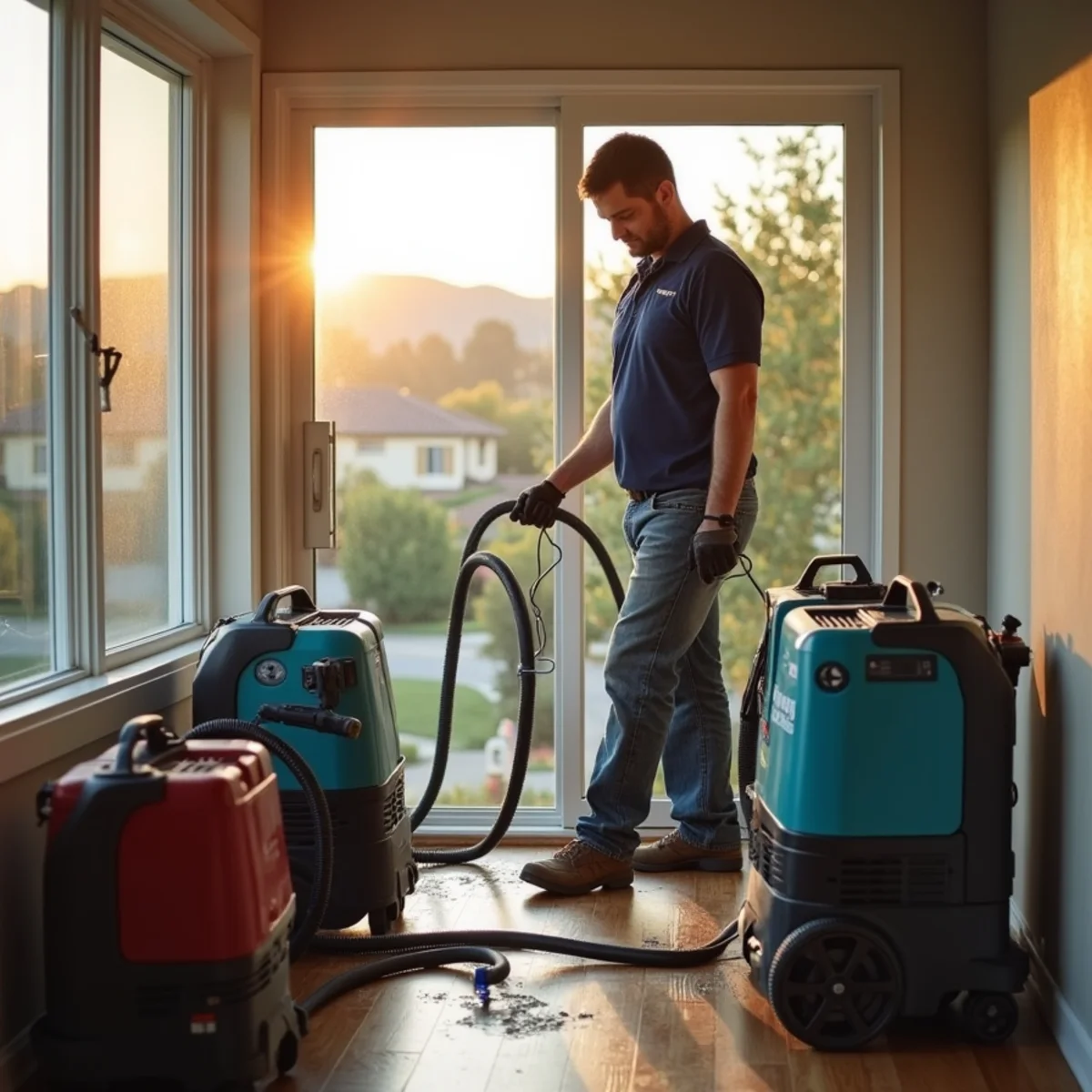
Once the standing water is gone, the real problem is the water you cannot see — bound moisture sitting inside drywall, framing, subfloor and insulation. Structural drying is the engineering job of pulling that moisture out on purpose: moving the right volume of air across the right surfaces, and simultaneously removing the vapor that airflow releases into the room so it does not simply redeposit somewhere colder.
That second half is what most DIY attempts miss. Running box fans in a closed room does move moisture out of materials — and straight into the air, where it condenses on cool surfaces, inside wall cavities and under flooring. Without dehumidification sized to the load, fans relocate a moisture problem rather than solving it, and the new location is usually worse than the old one.
We size the drying system from the affected volume and the class of loss, set a contained chamber where it makes sense, and return every day to take readings and adjust. The equipment comes out when affected materials match a dry standard measured from unaffected materials in the same building — a defensible number that goes into your insurance file.
Request help with structural drying
Tell us what happened. We respond within one business hour — or call now for a 24/7 emergency dispatch.
Know the signs
Signs a Structure Was Never Properly Dried
A musty smell that comes back on warm days
Microbial growth in a wall cavity produces odor that intensifies with heat and humidity. If the smell returns seasonally, something behind the finish is still damp.
Baseboard or trim that has separated or cupped
Wood trim that was dried too fast on the surface while the core stayed wet moves as it equalizes, opening joints and pulling away from the wall.
Paint bubbling or drywall tape lifting weeks later
Finish failures appearing well after the "repair" mean moisture is still migrating out of the assembly behind them.
Flooring that keeps cupping and flattening
Hardwood that cycles between cupped and flat is responding to a moisture source that was never removed — often a subfloor that was covered before it was dry.
Elevated indoor humidity with no obvious cause
A structure holding bound moisture continuously outgasses it. Persistently high indoor RH after a loss is a measurable symptom, not a coincidence.
Nobody ever showed you a moisture reading
If the previous crew never took readings, never established a dry standard, and never left a drying log, there is no evidence the structure was dried at all.
Our process
How Engineered Structural Drying Works
 1
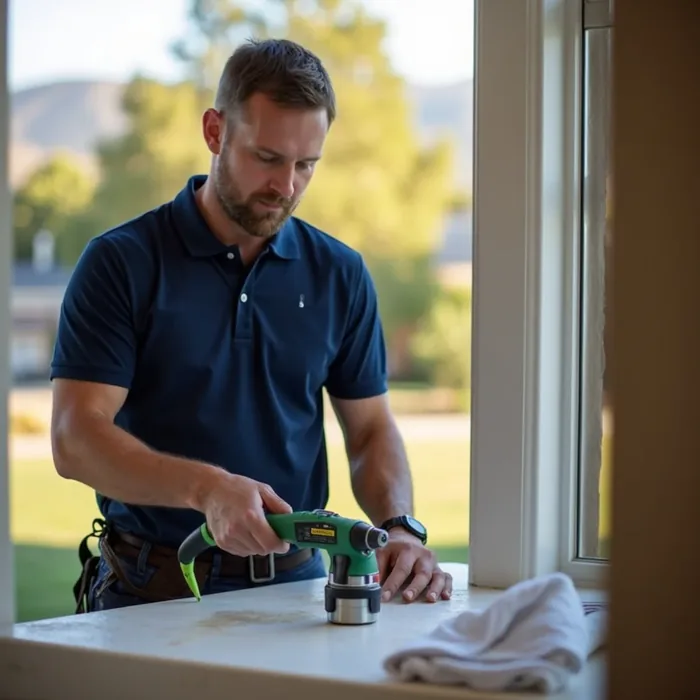
1Establish the dry standard
Day 1We measure moisture content in the same materials in an unaffected part of the building. That number — not a generic target — becomes the goal the affected materials have to reach.
 2
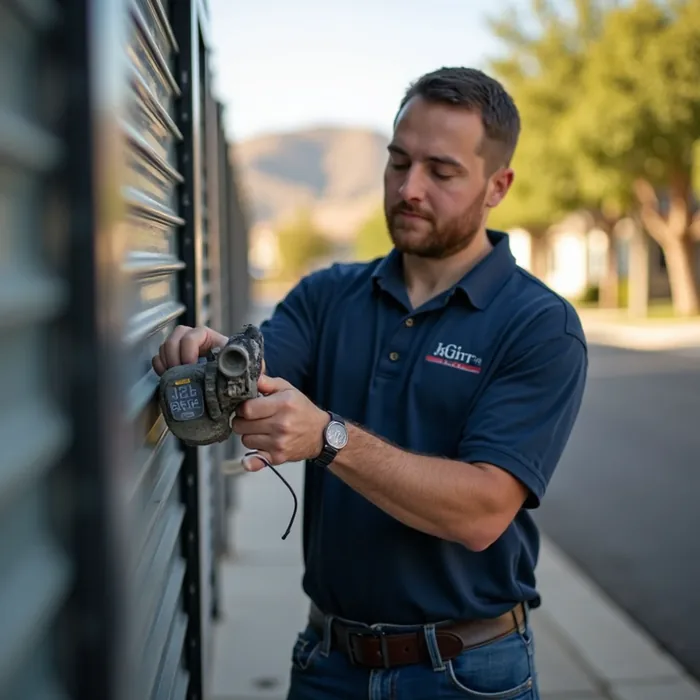
2Calculate the equipment load
Day 1Affected volume and class of loss determine how many air movers and what dehumidification capacity the chamber needs. Under-equipping stretches the job for days; over-equipping wastes money on the invoice.
 3
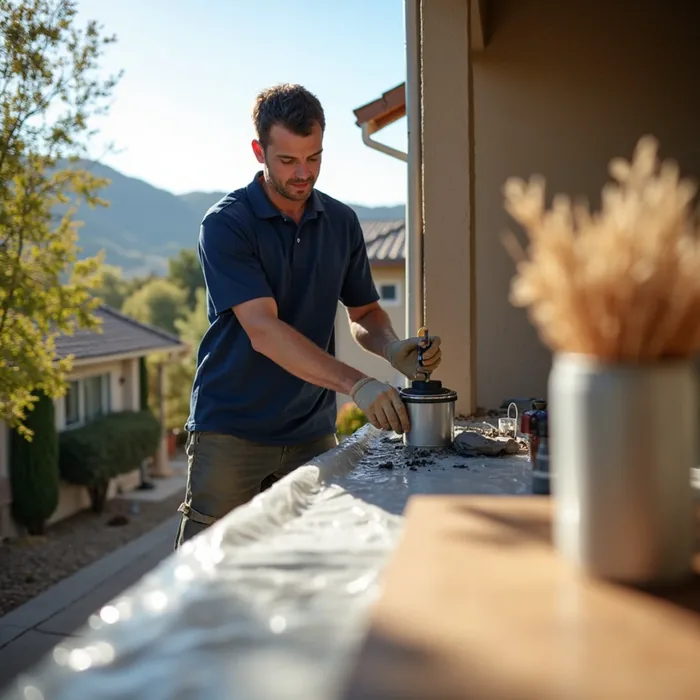
3Build the drying chamber
Day 1Containment with poly sheeting isolates the wet zone so we are drying the affected area rather than the whole house. Smaller chambers dry faster and cost less to run.
- 4
Place airflow deliberately
Day 1Air movers go at a shallow angle along wet surfaces to break the boundary layer of saturated air clinging to them. Placement and spacing are the difference between a three-day dry and a six-day one.
- 5
Dehumidify and control the environment
ContinuousCommercial refrigerant or desiccant dehumidifiers pull the released vapor out of the chamber. We track temperature, relative humidity and grains per pound so conditions stay inside the range where drying actually happens.
- 6
Monitor daily and adjust
Daily, typically 3–5 daysA technician returns every day to log moisture content, check equipment and reposition as materials release. Drying curves flatten; when they do, the plan changes.
- 7
Verify and document
Final visitEquipment comes out when affected materials hit the dry standard. Final readings, daily logs and photographs go into the file you can hand your adjuster.
What you actually get
What Structural Drying Includes
A dry standard measured from your building
Moisture content taken from the same materials in an unaffected area. That number, not a generic target, is what the affected materials have to reach.
An equipment load calculated from the class
Affected volume and damage class determine how many air movers and how much dehumidification capacity the chamber needs. Under-equipping stretches the job; over-equipping inflates the invoice.
A contained drying chamber
Poly containment isolates the wet zone so we are drying the affected area rather than the whole house. Smaller chambers dry faster and cost less to run.
Deliberate airflow placement
Air movers set at a shallow angle along wet surfaces to break the boundary layer of saturated air clinging to them. Placement and spacing decide whether this is a three-day or six-day dry.
Daily monitoring and repositioning
A technician back every day to log moisture content, check equipment and move it as materials release. Drying curves flatten, and when they do the plan changes.
Specialty systems where the material demands it
Floor drying mats for hardwood, injection drying for wall cavities, desiccant dehumidification for difficult conditions — the Class 4 toolkit.
Written verification at completion
Final readings against the dry standard, the full daily log and photographs, handed over as one file.
If a drying quote contains no monitoring visits, ask how that company intends to prove the structure ever reached a dry standard.
Why San Ramon Water Damage Pros
Why Our Drying Holds Up
We dehumidify, we do not just blow air
Airflow alone moves moisture from materials into the air, where it condenses inside wall cavities and under flooring. Without dehumidification sized to the load you relocate the problem.
Measured, not guessed
Equipment comes out when readings match the dry standard, not when surfaces feel dry. Surfaces dry first and mean almost nothing.
We work in Tri-Valley winter conditions
Opening windows during a wet-season atmospheric river often pulls in air carrying more moisture than the air you are trying to dry. Contained dehumidification works in any weather.
The log is yours
Daily readings and the final verification substantiate the invoice for your adjuster and protect you if a mould question surfaces two years later.
Need structural drying in San Ramon right now?
We answer live 24 hours a day and dispatch immediately. The first hour decides how much of your property we can save.
- Free on-site estimate
- We bill your insurance directly
- IICRC-certified technicians
Why Fans Alone Make Things Worse
Airflow across a wet surface moves moisture from the material into the air. That is genuinely useful — but only if something is removing that moisture from the air at the same rate. In a closed San Ramon house with fans running and no dehumidification, indoor relative humidity climbs quickly and the air becomes saturated. At that point evaporation effectively stops, and the vapor you released starts condensing on the coolest available surfaces: window frames, exterior wall cavities, the underside of flooring, the inside of a closet on a north wall.
Opening the windows is not a reliable fix either. During San Ramon’s wet season, when most water losses happen, the outdoor air you are pulling in is often carrying more moisture than the indoor air you are trying to dry. Controlled dehumidification inside a contained chamber works in any weather, which is exactly why it is the standard.
How Long Drying Actually Takes
Three to five days is the honest typical range for a residential loss, and we will tell you on day one if yours looks longer. What extends it is almost always material density and how long the water sat before extraction started.
Drying is not linear. Materials release moisture quickly at first and then slow down as the easily accessible water leaves. That flattening curve is normal and expected — it is also why pulling equipment on day three because "it looks fine" is how incomplete dry-outs happen.
- Drywall and carpet over a clean subfloor: often 3 days.
- Solid hardwood over plywood: 5 to 7 days, sometimes with specialty floor drying mats.
- Plaster, dense hardwood, and multi-layer assemblies: a week or more.
- Anything wet for several days before the call: add time, and expect more demolition.
- Crawl spaces and closed cavities: slower, because there is less air exchange to work with.
Honest pricing
What Drives Structural Drying Costs
Number of drying chambers
Each isolated area needs its own airflow and dehumidification. A loss that crossed into three rooms costs more than the same square footage in one.
Material density
Hardwood, plaster and layered subfloors hold moisture far longer than drywall and carpet, which means more equipment days on the invoice.
Specialty equipment
Floor drying mats, injection drying for wall cavities and desiccant dehumidification for difficult conditions all carry their own line items — and often save the flooring.
Ambient conditions
A cold, damp week during a Tri-Valley atmospheric river is a harder drying environment than a mild one, and it can add a day.
Monitoring visits
Daily readings by a technician are a real cost and a non-negotiable part of a defensible job. They are also what your adjuster wants to see.
Worth knowing: If a quote has no monitoring visits in it, ask how the company plans to prove the structure ever reached a dry standard.
Where we provide this service
Structural Drying across San Ramon and the Tri-Valley
FAQ
Structural Drying questions we get asked
Consumer dehumidifiers are not built for the load — a structural dry needs equipment sized from the affected volume and class, positioned to break the boundary layer on wet surfaces, and run inside containment. More importantly, rental gets you no moisture readings and no dry standard, so you have no way to know when to stop or evidence that you did. That gap is exactly what causes the mould calls we get six weeks later.
Typically three to five days for a residential loss. Dense materials like solid hardwood or plaster commonly run five to seven days, and severe losses run longer. We take readings daily and can tell you after the first 48 hours how the curve is tracking.
Please do not. Drying depends on continuous airflow and continuous dehumidification; switching equipment off overnight lets moisture redistribute back through the materials and can add days to the job. If noise is genuinely unlivable, talk to us — we can sometimes reconfigure the chamber, and your policy may cover temporary relocation.
It is the moisture content of the same material in an unaffected part of your building. Because normal moisture content varies by material, climate and season, comparing to your own building is far more meaningful than a fixed number. We dry until affected materials match it, then document the readings for your claim.
Getting materials genuinely dry inside the 24 to 48 hour window is the most effective mold prevention there is — microbial growth needs moisture, and removing it removes the condition. Where growth has already started, drying alone is not enough and remediation is the correct scope.
You might also need
Related services
Water Extraction & Removal
Truck-mounted and portable extraction that pulls water out mechanically — the fastest, cheapest way to stop a loss from spreading.
Learn moreMold Remediation
Containment-first remediation that removes growth and fixes the moisture source — because mold that comes back was never really removed.
Learn moreCeiling Water Damage Repair
Find the source, dry the cavity, then repair — patching a stained ceiling without doing the first two is why it comes back.
Learn moreGet structural drying handled properly
Free on-site estimate, written scope before any reconstruction, and direct insurance billing with documentation your adjuster can actually use.
- Free on-site estimate
- We bill your insurance directly
- IICRC-certified technicians