
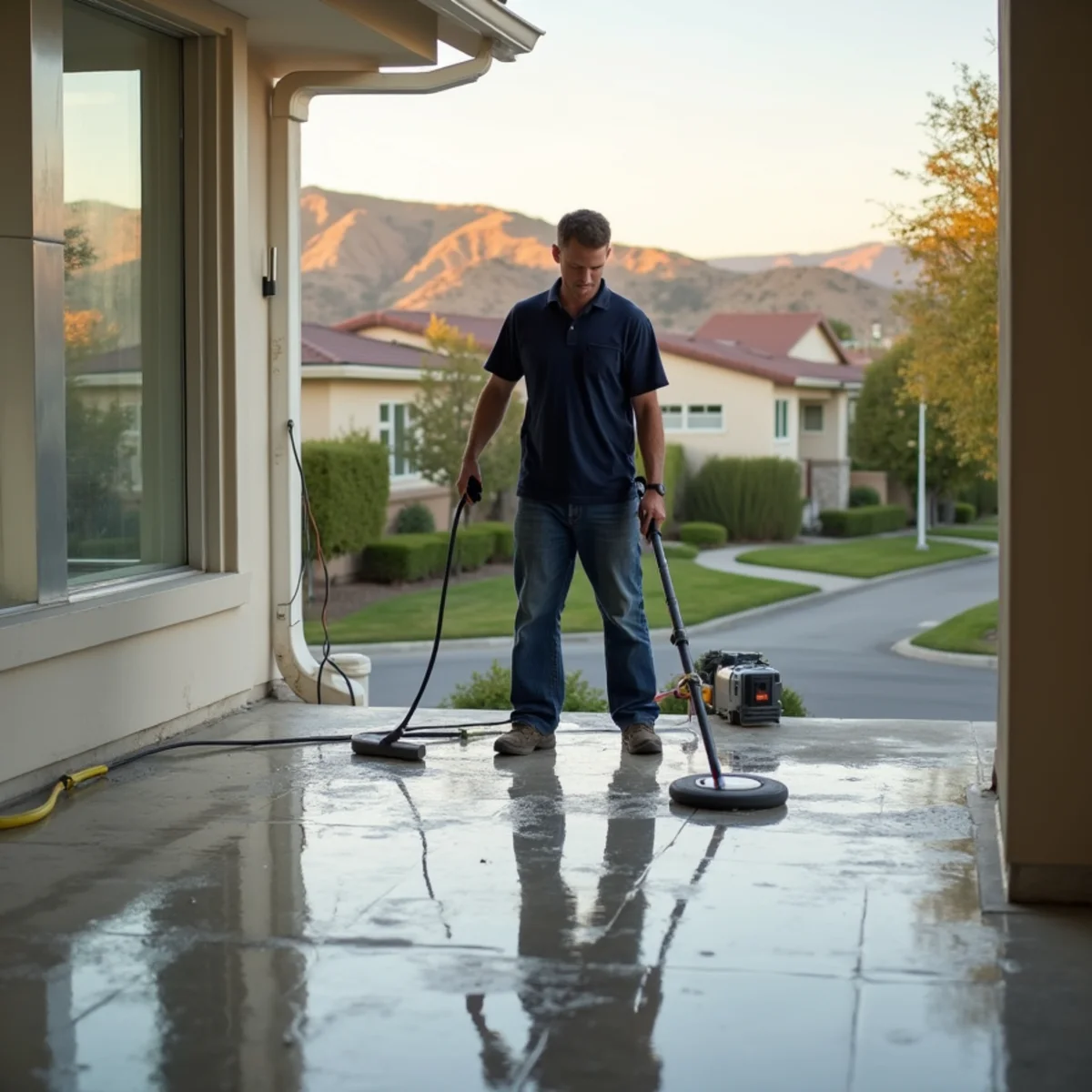
24/7 Emergency Service
Commercial Water Damage Restoration in San Ramon, CA
Bishop Ranch, Crow Canyon and the I-680 corridor. After-hours crews available.
- 24/7 emergency crews — nights, weekends and holidays
- 60-minute emergency response across San Ramon
- Free on-site estimate
- We bill your insurance directly
24/7 Emergency Service
Answered live, any hour
60-Minute Response
Across all of San Ramon
IICRC Certified
Works to the S500 standard
Insurance Billed Direct
Daily moisture logs
A commercial water loss is a business interruption problem that happens to involve water. The restoration work is technically similar to residential — extract, dry, verify — but the constraints are completely different. There are tenants who need access, employees who need somewhere to work, inventory and records that may be more valuable than the building finishes, IT and electrical infrastructure that cannot get wet twice, and a landlord-tenant agreement that determines who is responsible for what.
San Ramon has a substantial commercial base for a city this size. Bishop Ranch alone is one of the largest suburban office parks in the western United States, and the Crow Canyon and Camino Ramon corridors carry retail, medical and professional space alongside it. The buildings there bring their own failure patterns: flat and low-slope roof membranes, rooftop HVAC units with condensate lines and pans, multi-story stacked plumbing where a failure on the fourth floor becomes a problem on the first, and fire sprinkler systems that occasionally discharge without a fire.
We scope commercial work around your operations. That usually means starting after close, running containment that lets unaffected areas stay open, sequencing so the highest-revenue space is returned to service first, and giving you a documented timeline you can share with tenants and staff rather than a vague promise.
Request help with commercial restoration
Tell us what happened. We respond within one business hour — or call now for a 24/7 emergency dispatch.
Know the signs
Commercial Water Losses We Respond To
Fire sprinkler discharge
Accidental activation, a frozen or damaged head, or a system failure releases a very large volume of water at high pressure — and it is often discovered hours later, overnight or over a weekend.
Rooftop HVAC condensate and pan failures
A blocked condensate line or a rusted-through drain pan on a rooftop unit drips into the ceiling plenum continuously, usually going unnoticed until a ceiling tile stains or falls.
Flat roof membrane failures
Low-slope commercial roofs pond water. During an atmospheric river, a seam or flashing failure lets a lot of water in over a wide area rather than at one point.
Multi-story plumbing failures
A supply failure on an upper floor travels down through the structure, and a single break can affect three tenancies vertically.
Restroom and janitorial supply failures
Commercial restrooms run continuously and are often on the far side of the building from anyone who would notice. Weekend failures are common.
Water heater and mechanical room failures
Commercial water heaters and boilers hold far more volume than residential units, and mechanical rooms frequently sit adjacent to electrical infrastructure.
Storm water at loading docks and grade-level entries
Docks and at-grade doors are the lowest openings in most commercial buildings, and they take surface water first during heavy rain.
Our process
How We Run a Commercial Restoration Project
 1
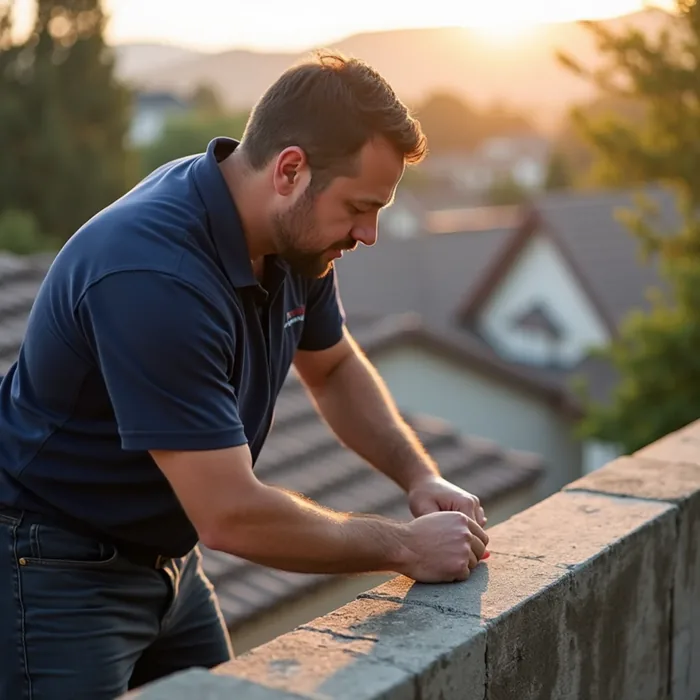
1Rapid assessment and business impact triage
First 1–2 hoursWe walk the affected area with you or your property manager and identify what has to be operational first. Restoration sequence is built around that answer, not around what is easiest for the crew.
 2
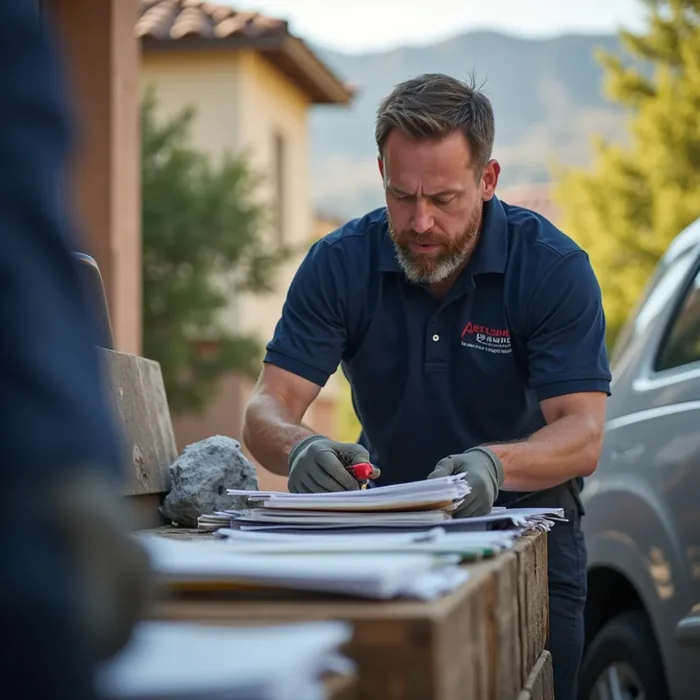
2Protect infrastructure and contents
2–4 hoursElectrical and IT equipment, inventory, files and records get protected or relocated before drying starts. Wet paper records in particular are time-critical and can often be saved with the right handling.
 3
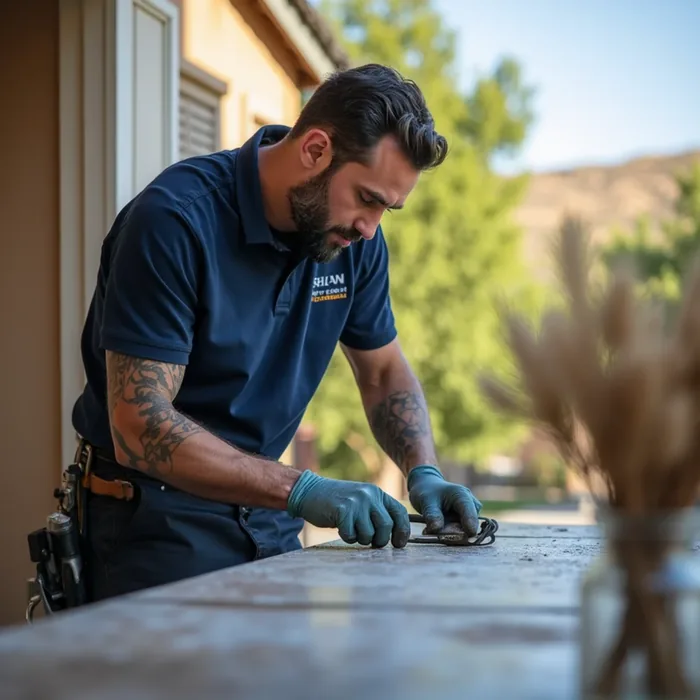
3Containment that keeps you open
Same dayWe isolate the affected area so unaffected tenancies and departments can keep operating. Containment on a commercial job is as much about business continuity as it is about contamination control.
- 4
Extraction and drying at commercial scale
3–7 days typicalLarger equipment loads, desiccant dehumidification where the volume calls for it, and drying plans built for open-plan space, plenum ceilings and concrete slab construction.
- 5
Documentation for insurance and stakeholders
DailyDaily moisture logs, photographic records and progress reporting formatted for your carrier, your landlord or your tenants — whoever needs to sign off.
- 6
Phased reconstruction
Varies with scopeRebuild sequenced so occupiable space comes back online in stages rather than everyone waiting for the whole project to finish.
What you actually get
What Commercial Restoration Includes
Business impact triage on arrival
We walk the affected area with you or your property manager and establish what has to be operational first. The restoration sequence is built around that answer.
Infrastructure and records protected
Electrical and IT equipment, inventory, files and records protected or relocated before drying starts. Wet paper records are time-critical and often recoverable with fast handling.
Containment that keeps you trading
The affected area isolated so unaffected tenancies and departments keep operating. On a commercial job containment is as much about business continuity as contamination.
Commercial-scale drying
Larger equipment loads and desiccant dehumidification where the volume calls for it, with drying plans built for open-plan space, plenum ceilings and slab construction.
After-hours and phased scheduling
Extraction and demolition overnight or at weekends, contained drying during trading hours, and rebuild sequenced so revenue space returns first.
Multi-party documentation
Daily moisture logs, photographic records and written progress reports formatted for your carrier, your landlord or your tenants — whoever needs to sign off.
Why San Ramon Water Damage Pros
Why Commercial Clients Use Us
Minutes from Bishop Ranch
One of the largest suburban office parks in the western United States is on our doorstep, along with the Crow Canyon and Camino Ramon corridors. We know the access and security escort requirements.
We work around your operations
Overnight and weekend scheduling as standard, because for most commercial clients a closed day costs more than the entire mitigation.
We handle multi-party losses routinely
A vertical loss across three tenancies means three scopes and potentially three carriers. Clean per-party documentation is what stops that becoming a dispute.
Records recovery treated as its own workstream
Wet documents have a short window before ink migrates and pages fuse. We triage them early rather than as contents to deal with later.
Need commercial restoration in San Ramon right now?
We answer live 24 hours a day and dispatch immediately. The first hour decides how much of your property we can save.
- Free on-site estimate
- We bill your insurance directly
- IICRC-certified technicians
Property Managers, Landlords and Tenants: Who Pays for What
This is the question that stalls more commercial restorations than any technical problem, and the answer is almost always in the lease rather than in the law. Most commercial leases in California allocate the building shell and structure to the landlord and the tenant improvements, fixtures and contents to the tenant, with each party carrying its own insurance for its own side of that line. A triple-net lease may shift considerably more onto the tenant than a full-service one.
The practical risk is delay. While the parties work out responsibility, the water keeps doing damage — and every day of argument adds drying time, more affected material and, past 24 to 48 hours, potential microbial growth. Nearly every commercial lease also obligates the tenant to mitigate promptly, so waiting is usually a breach as well as a bad idea.
Our position is straightforward: emergency mitigation starts immediately, and we document scope precisely enough that the responsibility conversation can happen accurately afterward. We work with landlords, tenants, property managers and multiple carriers on the same loss regularly, and clean documentation is what keeps that from becoming a dispute.
- Landlord typically covers: roof, structure, building systems, common areas and shell.
- Tenant typically covers: tenant improvements, trade fixtures, inventory, equipment and business personal property.
- Business interruption coverage — a separate policy line — is what replaces lost revenue during closure. Check whether you have it before you need it.
- Most leases obligate the tenant to mitigate promptly. Waiting for a responsibility determination usually is not compliant.
- Document everything before cleanup starts; it is the only way to sort responsibility accurately afterward.
Minimizing Downtime
For most commercial clients the restoration invoice is not the biggest number in the event — lost revenue is. That reality shapes how we run these projects.
- After-hours and overnight work so customer-facing and staff-occupied space stays usable during business hours.
- Phased containment that isolates the work zone and keeps the rest of the floor operating.
- Desiccant dehumidification for large open volumes, which dries faster than refrigerant units at commercial scale.
- Priority sequencing so revenue-generating space comes back first.
- Document and records recovery handled as its own workstream, not as an afterthought.
- Written timelines you can forward to tenants, staff and stakeholders without editing.
Honest pricing
What Commercial Restoration Costs Depend On
Total affected square footage
Open-plan commercial space dries differently from partitioned residential space, and the equipment load scales with volume rather than room count.
Building systems affected
Losses involving electrical, IT, elevator or HVAC infrastructure require coordination with those trades before restoration can complete.
Access and scheduling constraints
After-hours and weekend-only access, security escort requirements and phased occupancy all extend the schedule.
Contents and records
Inventory, files and equipment often need separate handling, drying and storage — sometimes off site.
Number of tenancies involved
A vertical loss across three tenancies means three scopes, potentially three carriers, and coordination overhead on top of the physical work.
Occupancy type
Medical, food service and laboratory spaces carry additional sanitation and clearance requirements that office space does not.
Where we provide this service
Commercial Restoration across San Ramon and the Tri-Valley
FAQ
Commercial Restoration questions we get asked
Yes, and for most commercial clients that is the right approach. We schedule extraction and demolition overnight or on weekends and run contained drying during business hours so staff and customers can use the space. Downtime usually costs a business far more than the restoration itself.
It depends on your lease. Most California commercial leases put shell and structure with the landlord and tenant improvements, fixtures and contents with the tenant, each carrying their own insurance. What matters immediately is that mitigation starts now — most leases obligate the tenant to mitigate promptly, and delay while responsibility is debated makes the loss worse for everyone.
Yes, and it is time-critical. Wet paper records can often be stabilized and recovered if they are handled quickly, but the window is short before ink migrates and pages fuse. We triage records early in the job rather than treating them as contents to deal with later.
Both are minutes from our base on San Ramon Valley Blvd — typically well inside our 60-minute commitment, and often considerably faster. We are also familiar with the after-hours access and security escort requirements that come with the larger buildings in the park.
Routinely. Commercial losses frequently involve a landlord, one or more tenants and multiple carriers on the same event. We produce daily moisture logs, photographic documentation and written progress reports that each party can use, which is what keeps a shared loss from becoming a dispute.
You might also need
Related services
24/7 Emergency Water Removal
A real person answers at 3 a.m., a truck rolls immediately, and we talk you through the shutoff while it does.
Learn moreStructural Drying & Dehumidification
Engineered drying with commercial air movers and dehumidifiers, verified daily against a measured dry standard — not a guess.
Learn moreStorm Damage Cleanup
Emergency tarping and board-up first, extraction and drying second — because the storm is usually still going.
Learn moreGet commercial restoration handled properly
Free on-site estimate, written scope before any reconstruction, and direct insurance billing with documentation your adjuster can actually use.
- Free on-site estimate
- We bill your insurance directly
- IICRC-certified technicians