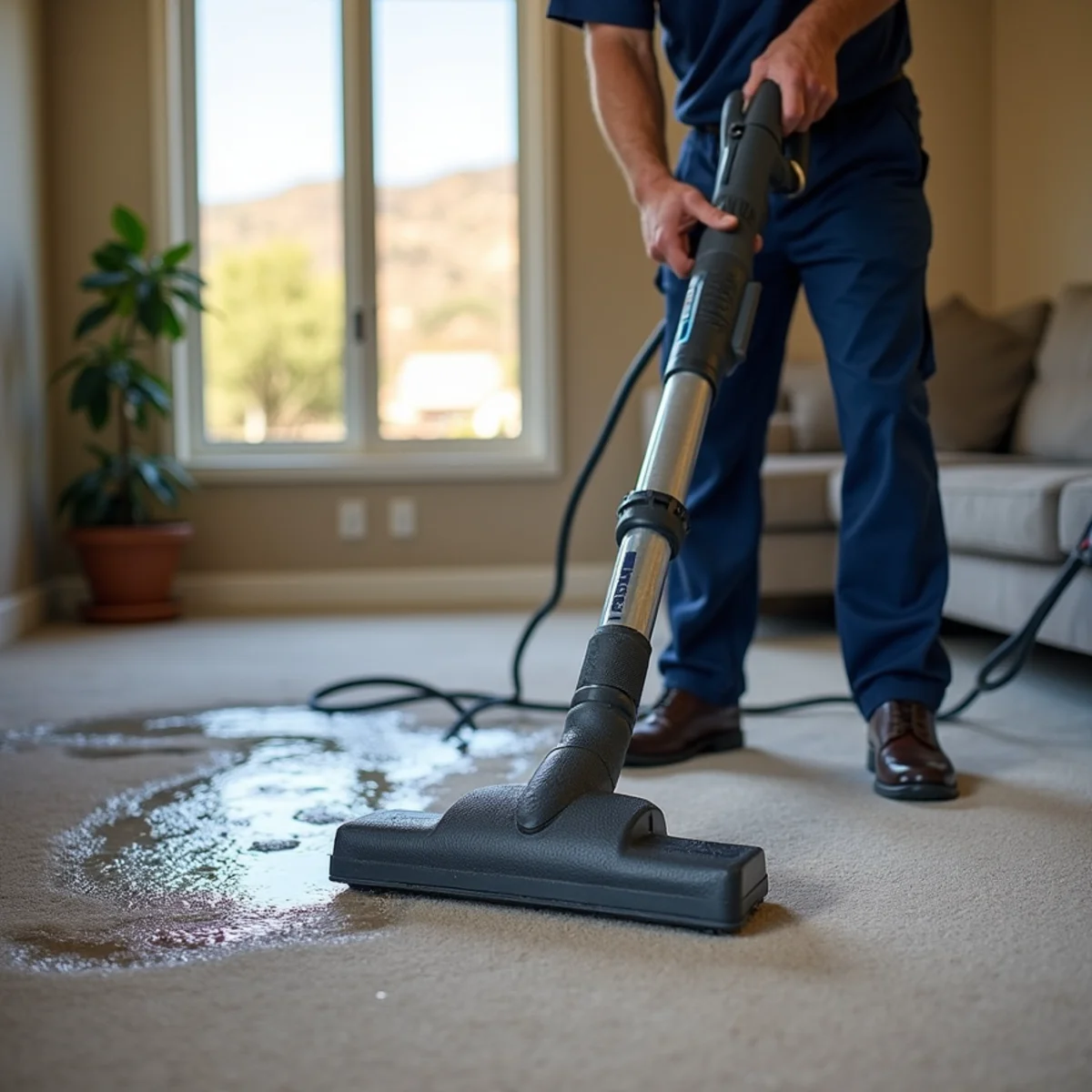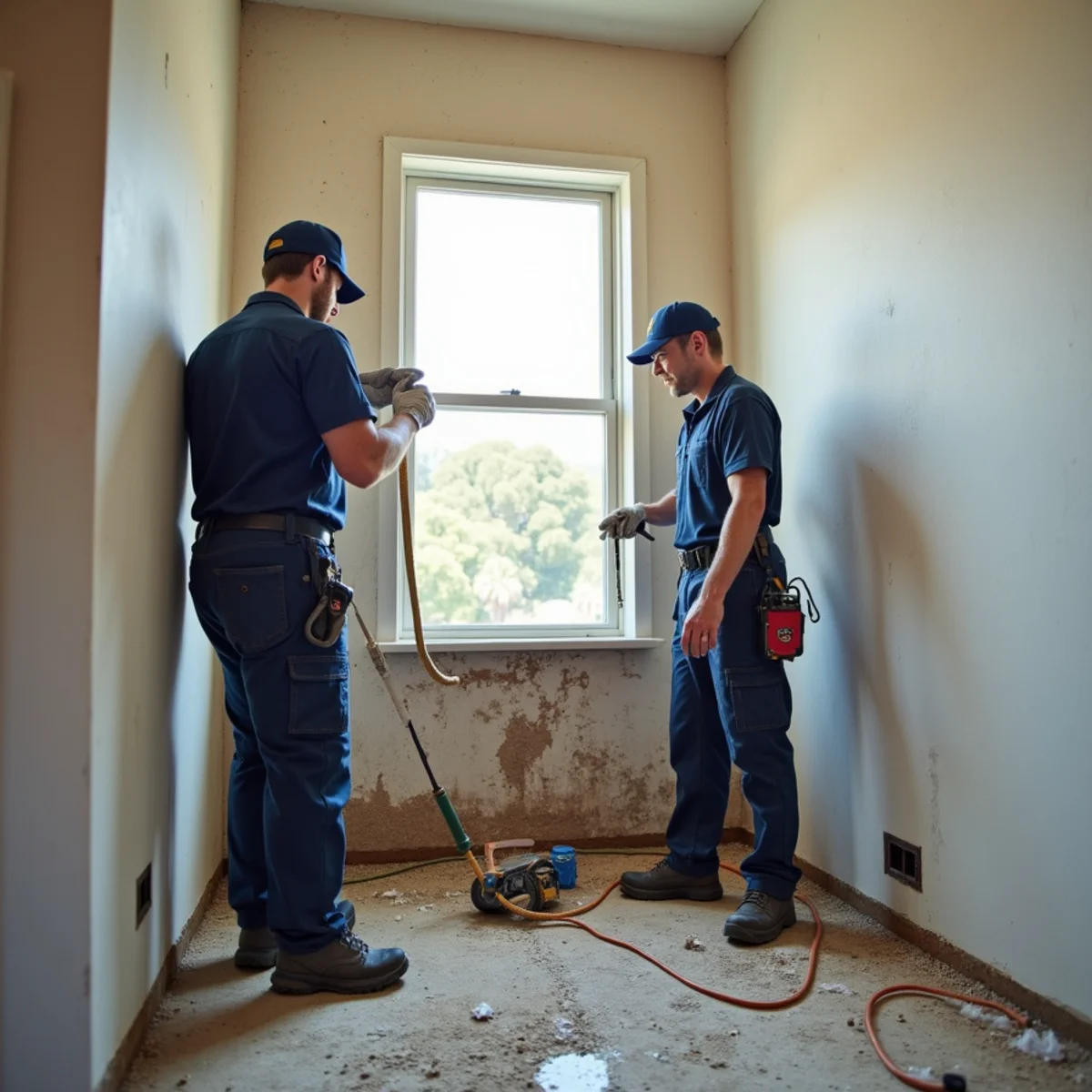
How Long Does Structural Drying Take? A Room-by-Room Timeline
Three to five days is the honest typical answer. Here is what makes a job land at the short end, and what pushes it past a week.
Written by the San Ramon Water Damage Pros crew — IICRC-certified technicians working to the ANSI/IICRC S500 standard on water losses across San Ramon and the Tri-Valley. Guidance here reflects how we actually run jobs, not general advice.
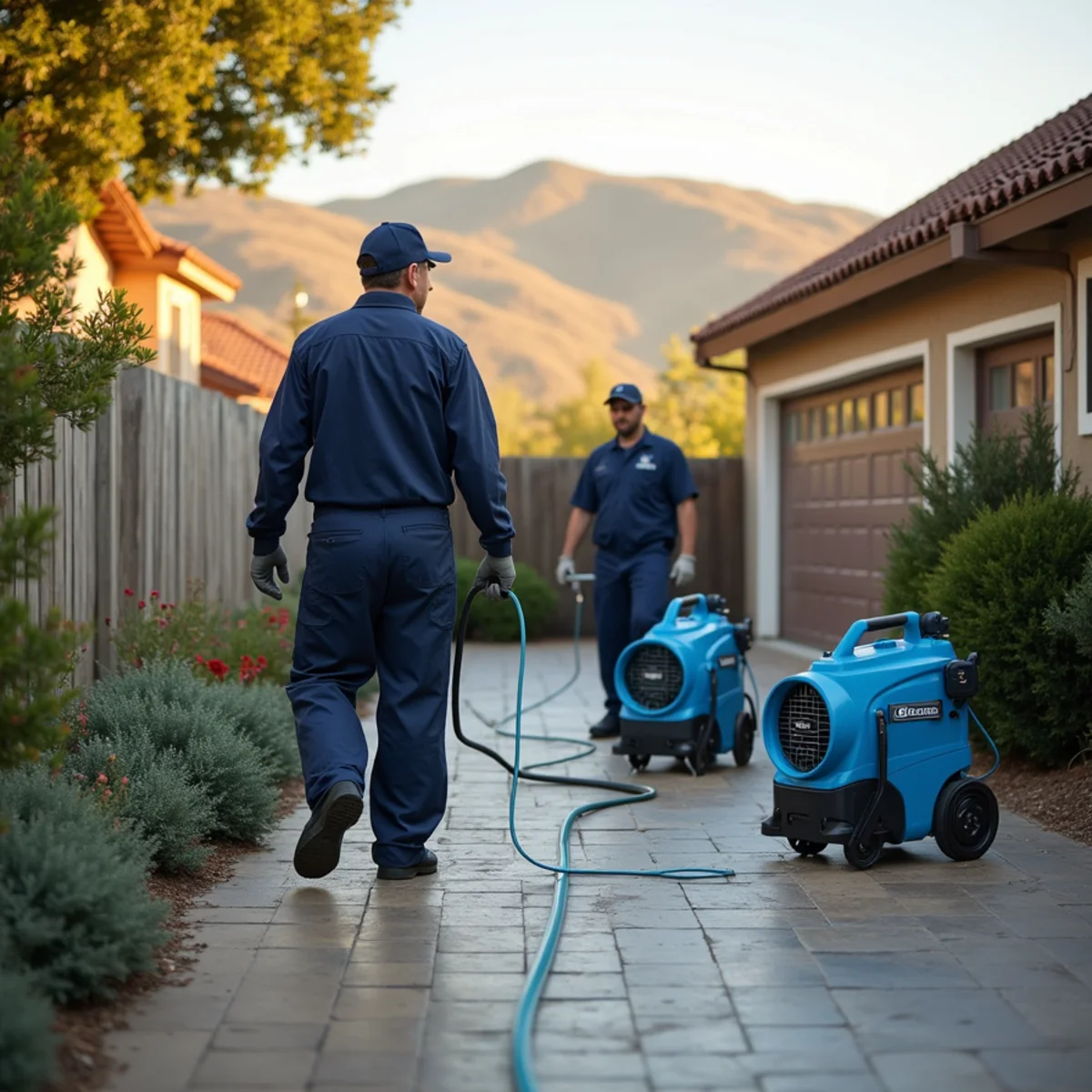
Everyone asks this on day one, and the honest answer is three to five days for a typical residential loss — with real variation on either side depending on materials, volume and how long the water sat before extraction started.
What follows is a realistic breakdown by room and material, plus the reasons a job runs long. If a company tells you two days without having taken a single reading, treat that as a sales number rather than an estimate.
Water damage happening right now?
We answer live 24 hours a day and commit to a 60-minute response across San Ramon.
+1 (201) 277-9344Typical Timelines by Situation
- Carpet and pad over plywood, clean water, extracted within hours: about 3 days.
- Drywall dried in place with cavity airflow: 3 to 4 days.
- Vinyl or laminate removed, subfloor exposed: 3 to 5 days.
- Solid hardwood over plywood, with specialty floor drying mats: 5 to 7 days, occasionally longer.
- Multi-level loss with a wet floor cavity between storeys: 5 to 7 days across the chambers.
- Crawl space with saturated soil and framing: 5 to 10 days, sometimes more.
- Plaster walls in older construction: a week or more, deliberately slowly to avoid cracking.
- Category 3 loss: drying begins only after decontamination, so add 1 to 2 days at the front.
Why the Drying Curve Flattens
Drying is not linear, and understanding this prevents a lot of frustration around day three. Materials give up their easily accessible moisture quickly — the first 48 hours usually show a dramatic drop in readings. Then the rate slows as the remaining moisture is bound more tightly inside the material.
That flattening is normal and expected. It is also exactly when homeowners look at readings that have barely moved since yesterday and conclude the equipment is not doing anything. It is doing the hardest part.
Pulling equipment during the flat part of the curve because "it looks fine" is the single most common cause of the incomplete dry-outs we get called in to fix months later.
What Makes It Take Longer
- Delay before extraction. Every hour the water sat means more material wet and more bound moisture to remove.
- Dense materials — solid hardwood, plaster, layered subfloor assemblies, engineered products with adhesive layers.
- Closed cavities with no natural air exchange: wall cavities, floor assemblies between storeys, crawl spaces.
- Cold, damp ambient conditions during a Tri-Valley winter storm sequence, which make the drying environment harder to control.
- Large volumes that need more equipment than a residential electrical supply can comfortably run at once.
- Contamination requiring decontamination before drying can even begin.
What Speeds It Up
- Calling immediately. This dominates everything else.
- Aggressive mechanical extraction before any equipment is placed — removing water is far faster than evaporating it.
- Proper containment, so the equipment is drying the affected area rather than the whole house.
- Removing unsalvageable material early rather than trying to dry something that is not coming back.
- Correctly sized equipment. Under-equipping to keep the daily rate down stretches the job and usually costs more in total.
- Leaving the equipment running continuously, including overnight.
What "Dry" Actually Means
The job is finished when affected materials match a dry standard, not when they feel dry. The dry standard is established by measuring the same material in an unaffected part of your building — because normal moisture content varies by material, by season and by climate, and comparing to your own building is far more meaningful than a fixed number.
Your restoration company should be taking daily readings, recording them, and showing you the numbers. At completion you should receive a drying log with the daily readings, the dry standard and the final verification. That document substantiates the invoice for your adjuster and, more importantly, proves the structure was actually dried if a question arises later.
If nobody can show you a reading, there is no evidence the structure was dried at all.
What the Daily Readings Actually Tell You
Every drying job produces a set of numbers each day, and homeowners are rarely shown how to read them. You are entitled to see them, and knowing what they mean is the difference between trusting a schedule and understanding one.
- The dry standard is the benchmark reading taken from the same material in an unaffected part of your building. It is not a textbook figure, and it differs from house to house.
- Moisture content readings are taken from the same marked locations each day, so the comparison is like for like rather than wandering around the room.
- A large drop on day two followed by smaller drops afterwards is normal — the free water leaves first and the bound water in the material takes longer.
- A flat reading two days running means something is wrong: equipment misplaced, a material that needs opening, or a source still active.
- Dehumidifier intake and outlet readings show how much water is actually being removed, which tells you whether the equipment is doing anything.
- Exterior temperature and humidity are recorded because they change what the equipment can achieve on any given day.
- The job ends when affected materials match the dry standard, not when the calendar reaches a particular day.
Frequently asked questions
Please do not. Drying depends on continuous airflow and continuous dehumidification — switching off overnight lets moisture redistribute back through the materials and can add days. If the noise is genuinely unlivable, tell us: we can sometimes reconfigure the chamber, and your policy may cover temporary relocation.
Usually material density or a delay before extraction started. Solid hardwood, plaster and layered subfloor assemblies all hold moisture stubbornly, and closed cavities have no natural air exchange. The daily readings will show you the curve — it flattens as the remaining moisture becomes harder to remove, and that is normal.
When moisture content in affected materials matches the dry standard measured from the same materials in an unaffected part of your building — and you have a written log showing it. Surfaces feeling dry means very little; the moisture that matters is inside the assembly.
You can, and we will tell you honestly what the readings show. If materials are at target, it comes out. If they are not, removing equipment early means the remaining moisture redistributes into the surrounding structure and you get a mould call in six weeks. We would rather have the awkward conversation than sign off a job we know is not finished.
Yes, and this is the single most common reason drying takes longer than it should. Dehumidifiers and air movers work continuously, and switching them off overnight lets moisture redistribute through the structure so the following morning starts from a worse position than the previous evening. Eight hours off can add a full day to the schedule.
The short version
Three to five days for most residential losses, five to seven for hardwood and multi-level jobs, longer for crawl spaces and plaster. The curve flattens around day three and that is normal.
We monitor daily, show you the readings as they move, and hand over the complete drying log at the end.