Property Manager's Guide to Tenant Water Damage: Who's Responsible for What in California
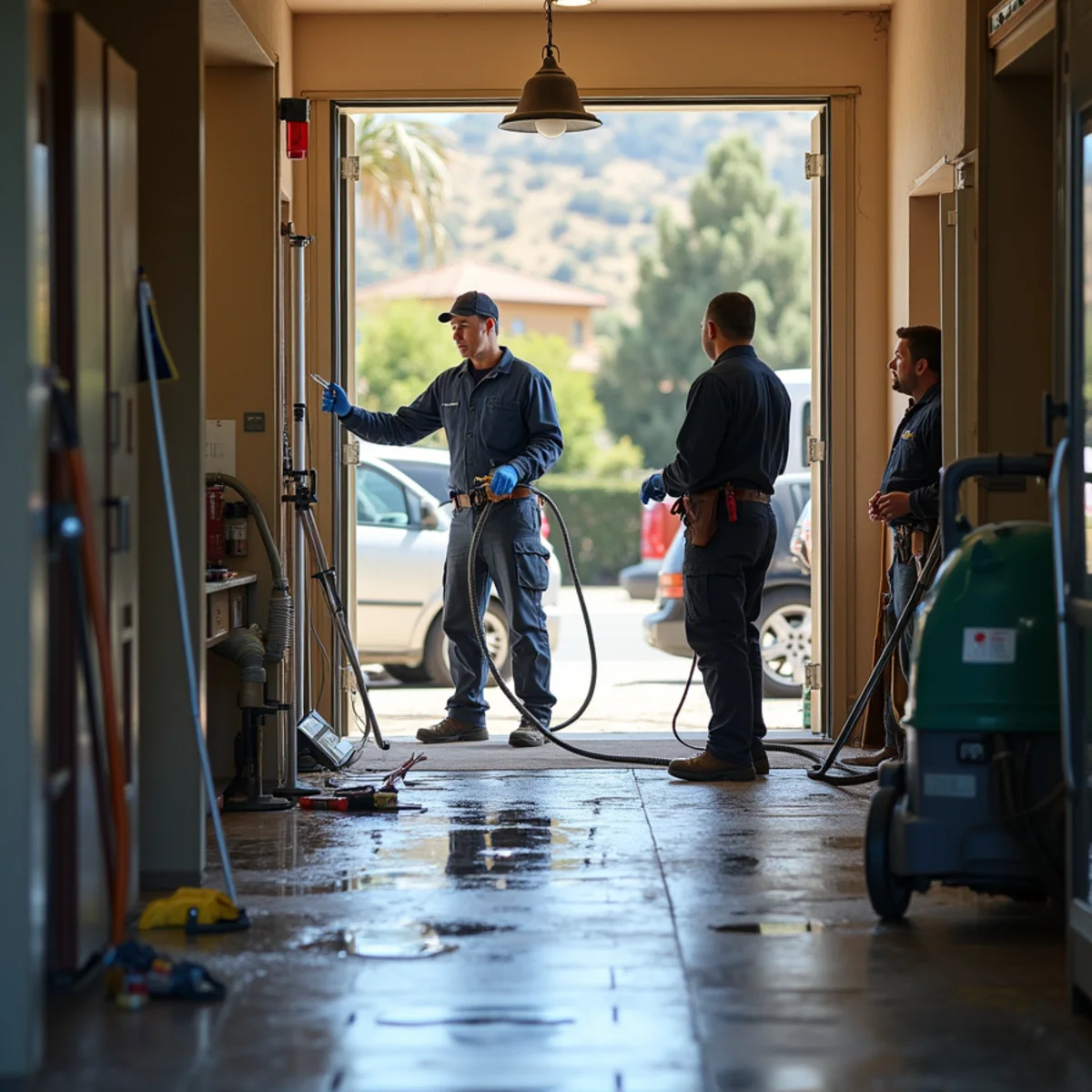
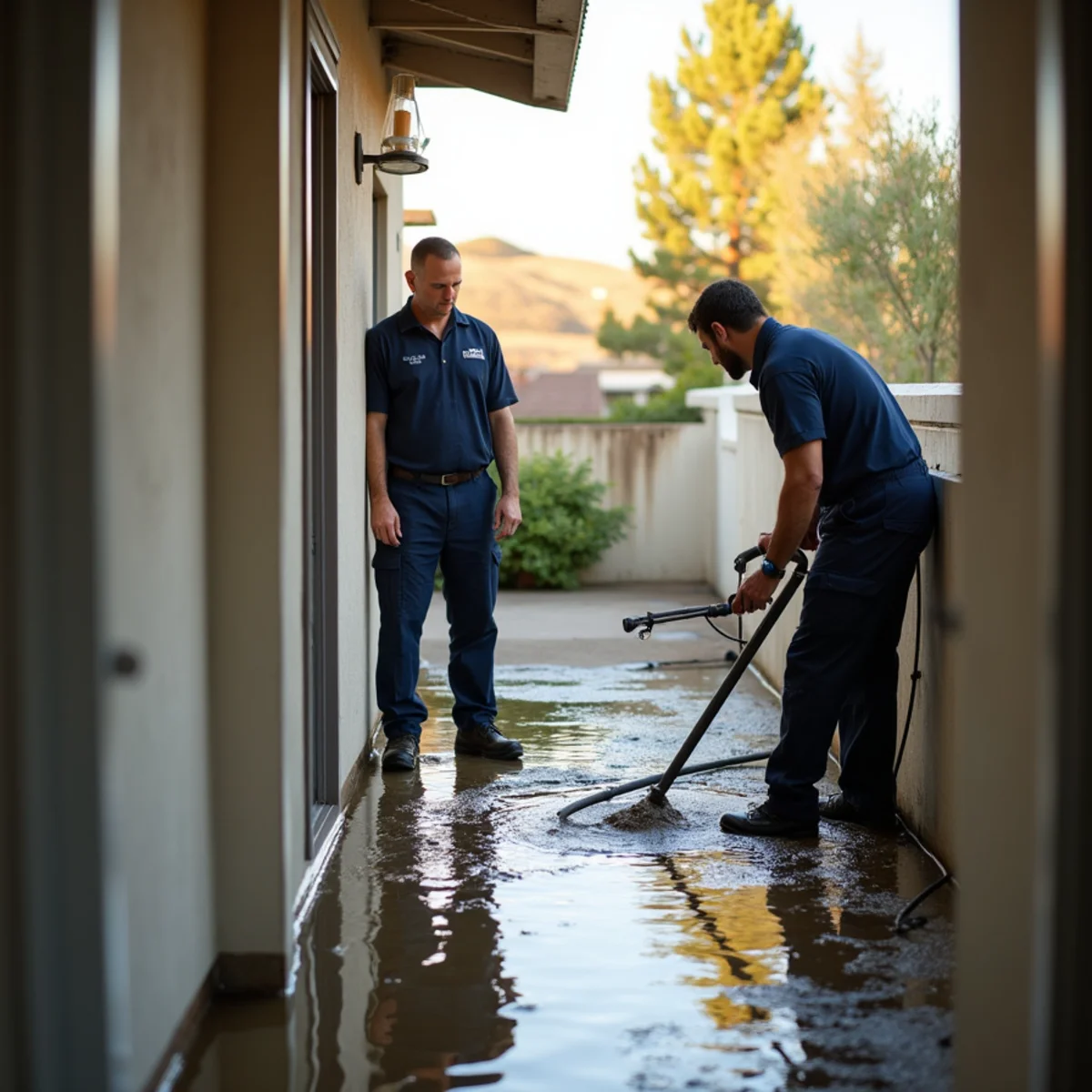
The responsibility question rarely changes what has to happen first. Mitigate now, document precisely, allocate afterward.
Written by the San Ramon Water Damage Pros crew — IICRC-certified technicians working to the ANSI/IICRC S500 standard on water losses across San Ramon and the Tri-Valley. Guidance here reflects how we actually run jobs, not general advice.
When a rental floods, three questions arrive at once: who pays, where does the tenant live, and how fast does this have to be fixed. They feel like they need answering in that order. They do not — habitability comes first, and it drives the answers to the other two.
The correct sequence is: mitigate immediately, document precisely, then allocate responsibility from a clean record. Delay while responsibility is debated makes the loss larger for whoever ends up paying — and in California, delay also creates habitability exposure.
Water damage happening right now?
We answer live 24 hours a day and commit to a 60-minute response across San Ramon.
+1 (201) 277-9344The General Allocation
This is not legal advice and leases vary, but the broad framework in California residential tenancies is reasonably consistent.
- Landlord: the building, its systems, and habitability. Plumbing, roof, structure, appliances supplied with the unit, and remediation of damage not caused by the tenant.
- Tenant: their own personal property, and damage caused by their negligence — an overflowing bath left running, a fish tank failure, a hose left connected in freezing weather.
- Renters insurance covers the tenant’s contents and, importantly, often includes additional living expenses if the unit becomes uninhabitable. Landlords cannot require it in all circumstances but can encourage it, and it resolves a great deal of friction.
- The landlord’s policy covers the building. The tenant’s negligence may create a subrogation claim against the tenant’s liability coverage.
- Where the cause is a third party — a neighbouring unit, a contractor — that party’s liability coverage may respond.
Habitability Is the Time Pressure
California imposes an implied warranty of habitability on residential landlords, and water damage engages it directly. A unit without functioning plumbing, with sewage present, or with significant mold growth is arguably not habitable, and the obligation to repair is not contingent on determining fault or on an insurance decision.
The practical consequence for a property manager is that the clock starts immediately regardless of who caused it. Prompt, documented action is both the legally safer path and the cheaper one, because water damage costs scale with time.
Where a unit genuinely cannot be occupied, be clear early about what that means for rent and for relocation. Ambiguity here produces disputes that cost more than the restoration.
Documentation Protects Everyone
- Video and photograph before anything is moved, including the failed component and the tenant’s affected belongings.
- Record the timeline precisely: when the tenant reported it, when you were notified, when mitigation started, when the tenant was contacted about relocation.
- Keep every written communication with the tenant. Confirm phone conversations by email afterward.
- Document the cause as specifically as possible — this is what determines whose claim it is.
- Obtain the drying log from the restoration company, with daily moisture readings and final verification. It proves habitability was restored properly and protects you against a future mold claim.
- Photograph the completed repairs.
Mold: The Exposure That Follows
Mold claims in rental housing are the expensive tail of a water event, and they are largely a documentation problem. A tenant who develops health concerns months later, in a unit where nobody can demonstrate the structure was dried to a standard, is a difficult position to defend.
The protection is straightforward and cheap by comparison: respond immediately, dry to a verified standard rather than until things feel dry, and keep the drying log. That document is the evidence that the mitigation was adequate.
California also has notification requirements around known mold conditions in residential rentals. If mold is identified, address it and document the remediation and clearance rather than treating it informally.
Multi-Unit Buildings
In apartments and condos a single failure often affects several units vertically, and each affected resident has their own contents, their own insurer and their own patience threshold.
Document per unit from the first visit. Each carrier will want its own record, and reconstructing it afterward from a single combined file never goes smoothly. Communicate a written timeline to all affected residents at once rather than fielding the same question repeatedly.
And be aware that in a condo the CC&Rs, not the lease, determine the split between HOA common elements and unit-owner responsibility — which is a different framework from a straightforward rental.
A Practical Response Checklist
 1
1Confirm safety and stop the source
Water off, power isolated to affected areas if needed, tenant safe.
 2
2Dispatch restoration immediately
Do not wait for an adjuster or for a responsibility determination. Both can happen while the building dries.
 3
3Document before anything moves
Video, photographs, the failed component, affected contents, and the date and time.
 4
4Communicate with the tenant in writing
What is happening, expected timeline, whether relocation is needed, and how their contents will be handled.
 5
5Notify your insurer and the tenant’s if relevant
And encourage the tenant to open their renters claim for contents and living expenses.
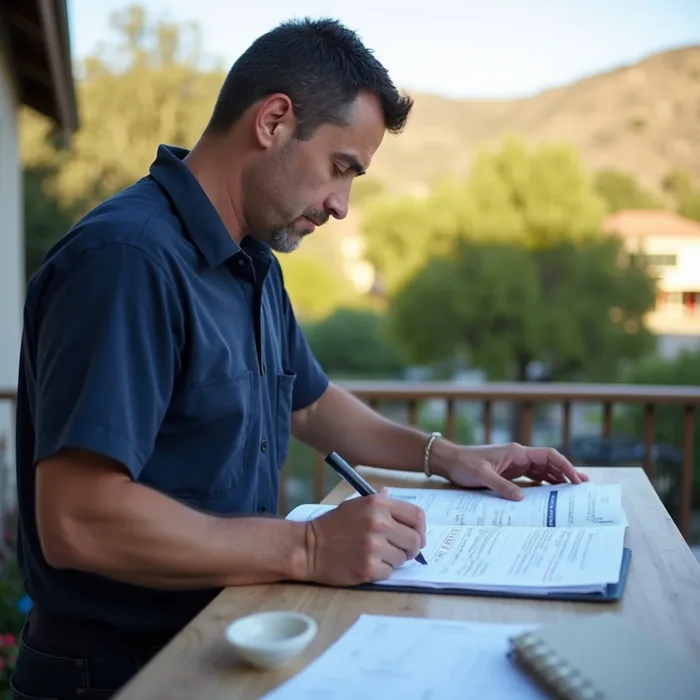 6
6Obtain and file the drying log
Daily readings and final verification. This is the document that protects you later.
The Mistakes That Turn a Loss Into a Dispute
Most landlord and tenant disputes after a water loss are not about the water. They are about response time, communication and records, and every one of the failures below is avoidable.
- Delaying the response while establishing who is at fault. Fault determines who pays; it does not change the obligation to make the property habitable, and delay is what turns a claim into a complaint.
- No documented condition report from before the tenancy. Without it, every argument about pre-existing damage is unwinnable.
- Communicating verbally. Notifications, access arrangements and agreed timelines should exist in writing, sent at the time rather than summarised afterwards.
- Entering without proper notice. Emergency access is one thing; routine drying visits are another, and the notice requirements still apply.
- Leaving tenant belongings undocumented. Photograph tenant property before anything is moved, separately from the building scope.
- Treating a mould report as a nuisance. A tenant reporting a smell or visible growth is reporting a habitability issue, and an unanswered report is the origin of most later claims.
- Signing off drying without documentation. If the property is returned to full use without moisture readings on file, any later problem becomes your problem to disprove.
Frequently asked questions
Broadly, the landlord covers the building and its systems, the tenant covers their own contents, and damage caused by tenant negligence may fall to the tenant or their liability coverage. But responsibility does not change what has to happen first — mitigate immediately and allocate from a documented record afterward.
That depends on habitability and on the specifics, and it is worth getting legal advice rather than deciding informally. What is clear is that a landlord’s repair obligation is not contingent on determining fault, and prompt documented action is the safer path.
Speed and documentation. Respond immediately, dry to a verified standard rather than until surfaces feel dry, and keep the drying log with daily moisture readings and final verification. That record is the evidence that the mitigation was adequate.
California law requires landlords to maintain rental property in a habitable condition and to address serious problems promptly, and a significant water intrusion or an active leak generally qualifies. The specific timeframes and remedies are a legal question rather than a restoration one, so speak to your attorney or your association about your obligations. Practically, the sooner mitigation starts the smaller both the damage and the dispute.
It affects who ultimately pays, and it does not change the urgency. Mitigation still needs to start immediately; recovering costs is a separate process that runs afterwards through the tenant's renters insurance, the deposit, or otherwise. What protects you in that process is the same documentation that protects the tenant: dated photographs, a clear scope and a record of when everyone was notified.
The short version
Mitigate now, document precisely, allocate afterward. In California the habitability clock does not wait for a responsibility determination.
We work rental and multi-unit losses across San Ramon with per-unit documentation and drying logs formatted for whoever needs to read them.