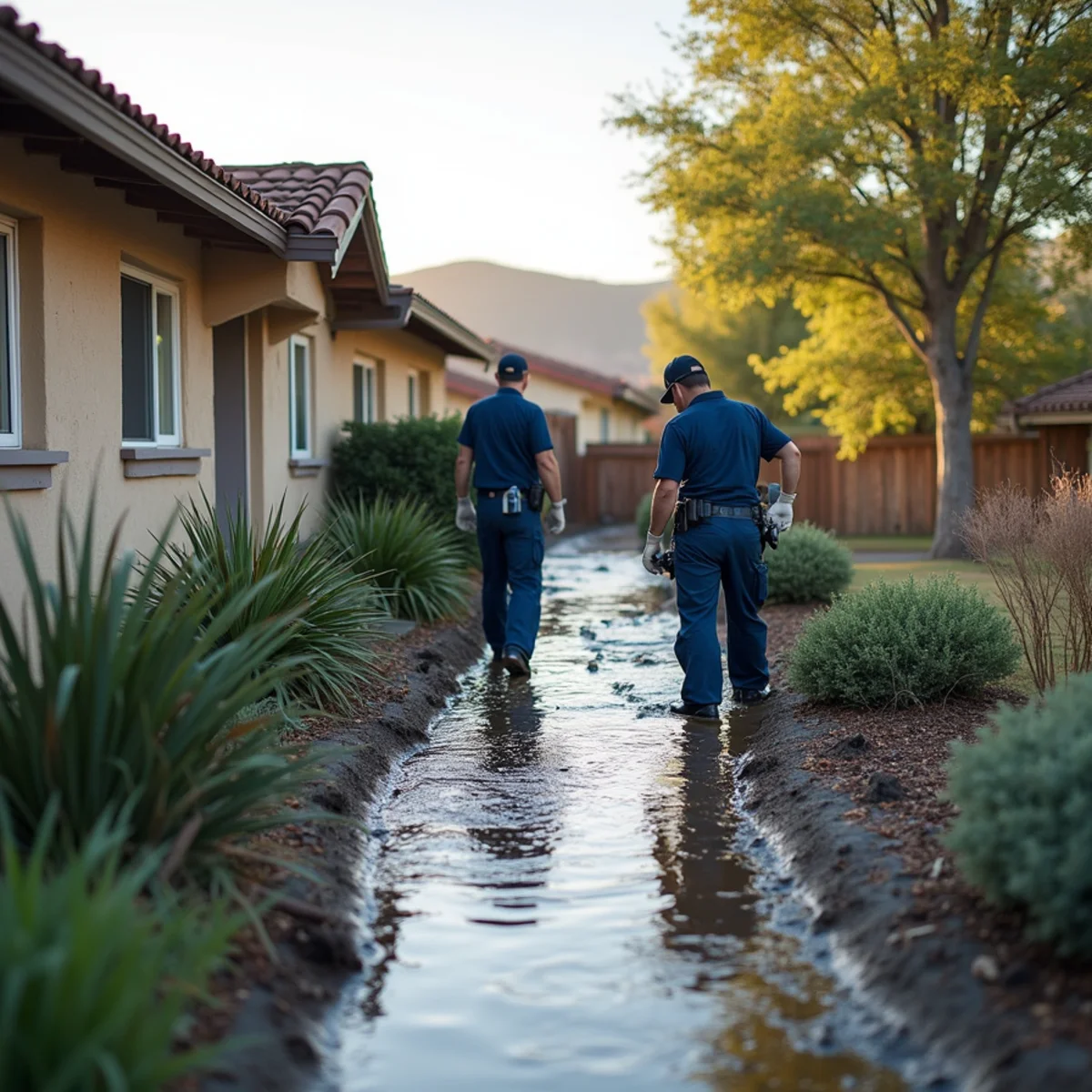
Diablo Wind Season (Oct–Mar): How NWS Advisories Turn Into Roof Leaks in San Ramon Hills and Bollinger Hills
The wind that damages your roof is dry, so nothing leaks that day. The leak arrives with the next atmospheric river — and by then most people have forgotten the wind.
Written by the San Ramon Water Damage Pros crew — IICRC-certified technicians working to the ANSI/IICRC S500 standard on water losses across San Ramon and the Tri-Valley. Guidance here reflects how we actually run jobs, not general advice.
Diablo winds are the Bay Area’s offshore wind event: dry air accelerating down the western slope of Mount Diablo, typically between October and March, sometimes strong enough to prompt National Weather Service wind advisories. They are best known for wildfire risk, which is legitimate.
What gets much less attention is what they do to roofs — and specifically, the fact that the damage and the leak are separated by weeks or months, which causes homeowners to lose money on insurance claims they should have won.
Water damage happening right now?
We answer live 24 hours a day and commit to a 60-minute response across San Ramon.
+1 (201) 277-9344The Two-Event Sequence
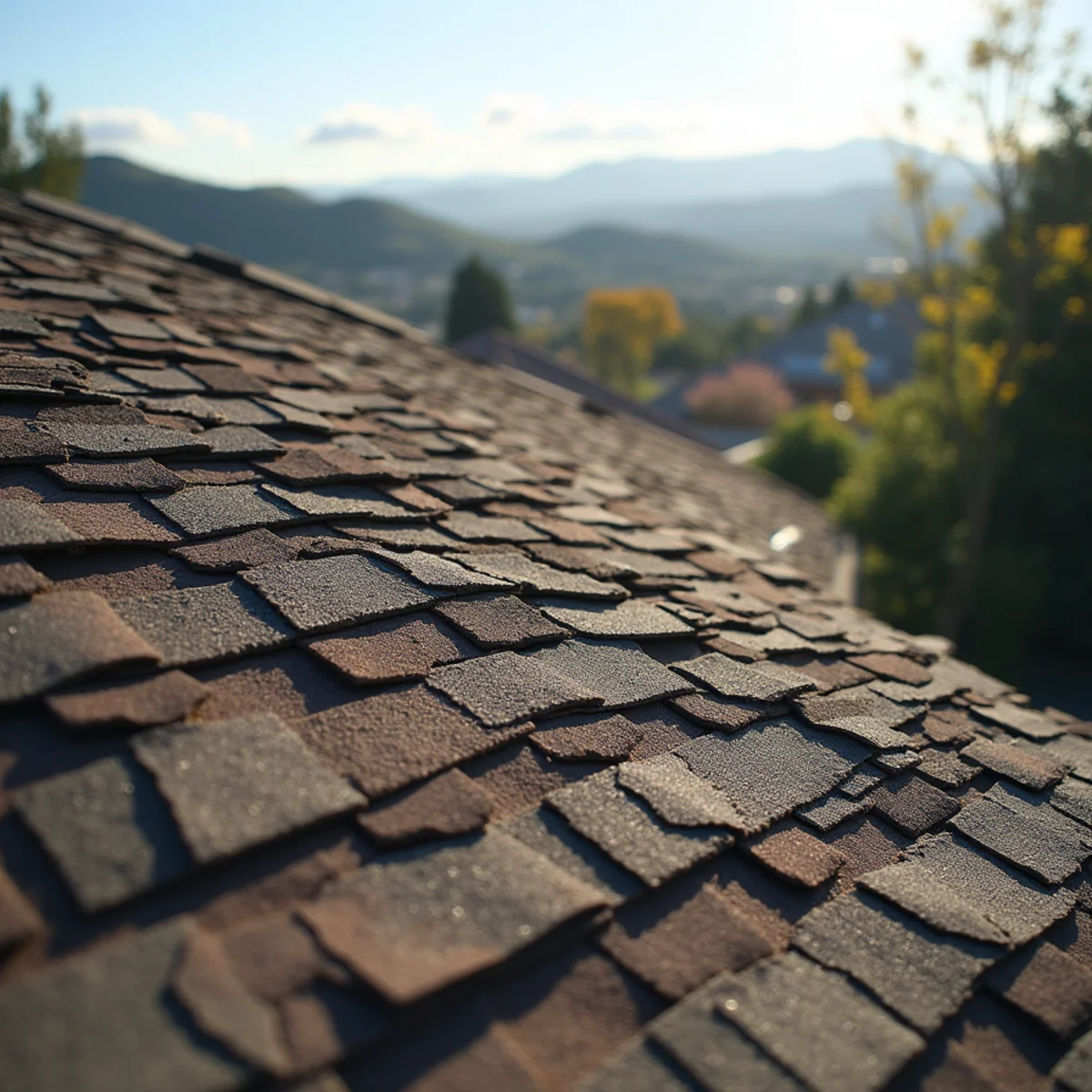
Event one is the wind. Because Diablo winds are dry offshore air, there is no rain with them. What they do is mechanical: they get under shingle tabs and break the adhesive seal, lift and displace ridge cap, work flashing loose at chimneys, vents and skylights, open up gable ends, and drop limbs onto roof surfaces.
None of that leaks at the time. The roof looks essentially normal from the ground, and the homeowner has no reason to think anything happened.
Event two is the rain — an atmospheric river arriving anywhere from days to months later. Now every opening the wind created gets tested at once, under sustained volume and often with more wind behind it driving water horizontally.
The homeowner experiences this as "my roof started leaking," with no connection to the wind event. That framing is what costs them.
Why the Sequence Matters Financially
Insurance policies respond to covered perils. Wind is a covered peril. Age, wear and deferred maintenance are not.
If you report "my roof is leaking," the natural underwriting question is whether the roof simply reached the end of its life. If you report "we had a wind event on this date, here are photographs of the lifted shingles, and the roof began leaking in the subsequent storm," you have described a covered cause of loss with resulting damage.
Same roof, same water, materially different claim. The difference is knowing the sequence and documenting it.
Practical advice: after any significant wind event, note the date. If you can safely inspect from the ground with binoculars, photograph anything that looks displaced. That five minutes may be worth thousands later.
Which Neighborhoods Take the Worst of It
Wind loading is not uniform across San Ramon. Ridge and upper-slope positions take substantially stronger loading than the valley floor, and they generate a disproportionate share of these calls every season.
- San Ramon Hills — elevated hillside homes with panoramic views and full exposure.
- Bollinger Hills — western slopes, high exposure plus the coldest winter nights in the city.
- Sycamore Heights — ridge-top with canyon views.
- Hidden Valley — canyon-ridge position with limited access.
- Bollinger Canyon — homes backing onto open space at the wildland interface.
- The equivalent foothill positions in Danville along Diablo Road, and Alamo’s Round Hill.
What to Inspect After a Wind Advisory
- Shingles: look for tabs that are lifted, curled, missing or visibly out of line. A tab whose seal has broken will leak even though it still looks attached.
- Ridge cap: displaced or missing sections along the peak.
- Flashing: at chimneys, vents, skylights and roof-to-wall transitions. Flashing failures cause far more leaks than shingle failures do.
- Gutters: check for granule accumulation, which means the shingle surface is shedding, and clear the leaf litter the wind deposited.
- The attic: go up with a torch on a bright day and look for daylight through the sheathing, plus any staining on rafters.
- The yard: debris from your own roof — shingle fragments, pieces of flashing — tells you something came off.
Wind-Driven Rain Is Its Own Problem
Beyond roof damage, sustained wind during a storm drives rain horizontally at wall assemblies that were designed on the assumption water falls downward. Window and door flashing, siding laps and penetration seals that shed vertical rain perfectly well can leak under horizontal rain at pressure.
This is why some homeowners in the exposed neighborhoods report a leak that only appears during storms from one particular direction, and which is maddening to diagnose because it seems intermittent and irrational. It is not — it is directional, and the leak needs finding with thermal imaging and moisture mapping across the exposed elevation rather than by guessing at a flashing detail.
The Post-Wind Inspection, From the Ground
Most of what a wind event does to a roof can be assessed without climbing onto it, which matters because getting onto a roof is how people get hurt. Do this walk-around after any significant advisory, in daylight, with binoculars if you have them.
- Walk the perimeter and look at the ground first — Granules washed into gutter outlets or collecting at downspout discharges, or fragments of shingle in the garden, tell you the roof surface has been working loose before anything is visible from below.
- Look along the roof plane at a shallow angle — Lifted or displaced shingles show as irregularities in what should be a uniform line. Standing at the corners and sighting along each plane reveals far more than looking straight up at it.
- Check the ridge and hip lines — Ridge caps are the most exposed part of the roof and the first to move. A gap or a lifted cap along the ridge is a direct path for the next storm.
- Inspect every flashing you can see — Chimneys, skylights, vent pipes and anywhere the roof meets a wall. These are where the leaks actually start, and lifted or separated flashing is usually visible from the ground.
- Look at the gutters themselves — Sections pulled loose at a bracket, or a gutter that now slopes the wrong way, will overflow against the fascia in the next rain regardless of the roof condition.
- Go into the attic with a torch — Daylight visible anywhere it should not be, or staining on the underside of the sheathing, is the most direct evidence available and it costs nothing to look.
Frequently asked questions
Very often yes, and it is worth pursuing. Diablo winds lift and unseal shingles without causing an immediate leak, so the water arrives with the next storm. Wind is the cause of loss even though the damage manifested later. Note the wind event date, photograph the roof damage, and report both.
After wind events, not just after rain. That is the key habit for the hillside neighborhoods. Finding a lifted shingle in dry October weather costs almost nothing; finding it because your ceiling stained in January costs a ceiling, insulation and a texture-matched repair.
Wind direction. Flashing and siding details that shed vertical rain fine can leak when rain is driven horizontally at pressure from a particular direction. The leak is directional rather than intermittent, and finding it takes moisture mapping across the exposed elevation.
No — the ground-level walk-around covers most of it, and advisories are frequent here. Get someone out when you find something specific: displaced shingles, lifted flashing, granule loss that has clearly increased, or anything visible in the attic. What is worth doing on a schedule is a proper inspection every few years and after any genuinely severe event, rather than after each advisory.
Considerably. Photographs dated to the wind event establish when the damage occurred, which is the connection that gets lost when the leak appears with a storm two months on. Insurers reasonably ask what caused it, and a dated record of the wind damage answers that far better than a recollection of which weekend it was windy.
The short version
The wind breaks the roof in October. The rain finds it in January. Connecting those two events is worth real money on your claim, and inspecting after wind rather than after rain is worth more.
We tarp in active weather, dry the attic and ceilings, replace the insulation that lost its R-value, and coordinate the permanent roof repair.