Category 1, 2, or 3? Why the Type of Floodwater Changes the Entire Cleanup
The category is not paperwork. It decides what can be saved, what protective equipment is required, and what the job costs — and it changes with time.
Written by the San Ramon Water Damage Pros crew — IICRC-certified technicians working to the ANSI/IICRC S500 standard on water losses across San Ramon and the Tri-Valley. Guidance here reflects how we actually run jobs, not general advice.
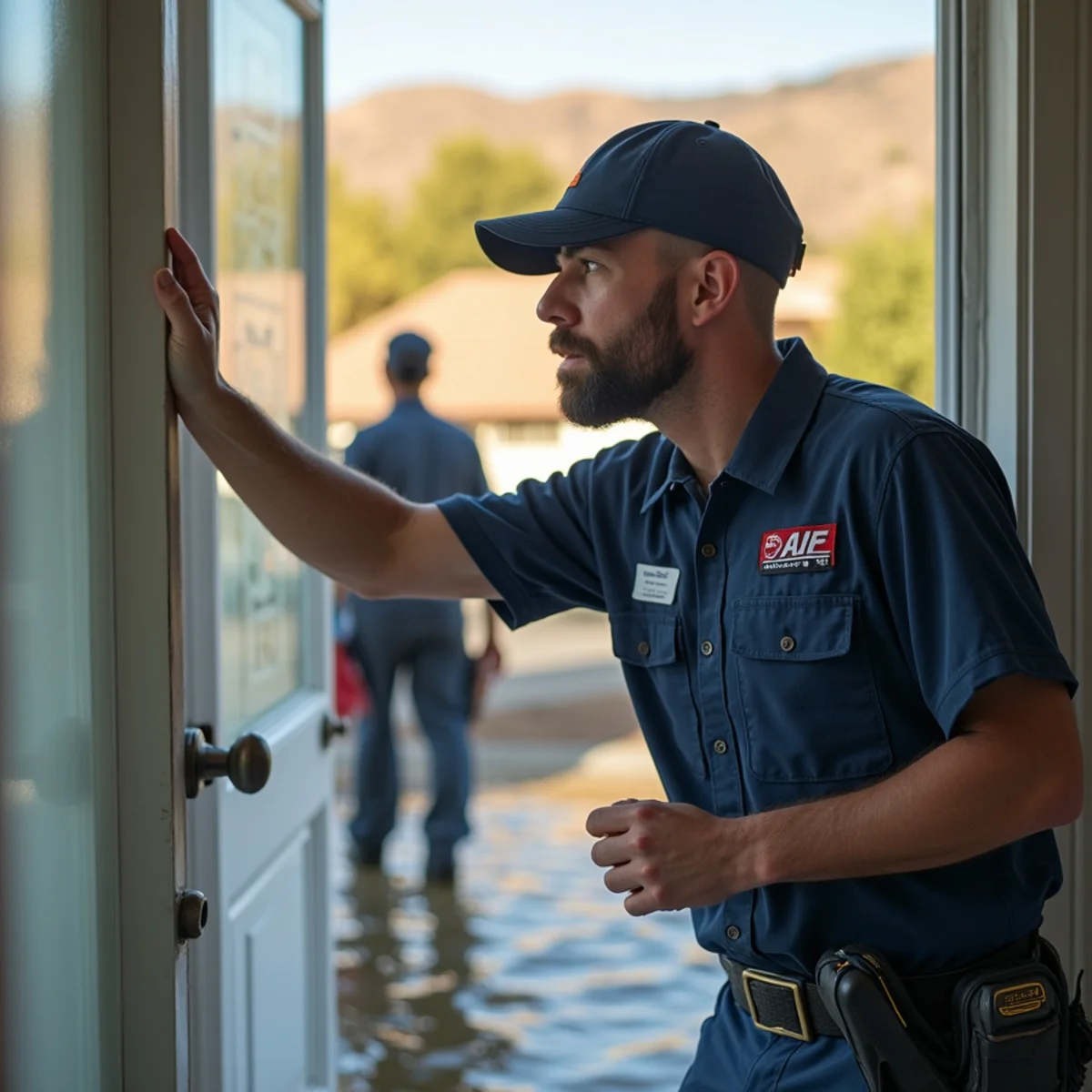
Before any equipment goes down on a water loss, a restoration technician has to classify the water. It determines what materials can be saved, what has to be removed, what protective equipment the crew wears, what cleaning is required, and what the job costs.
The classification comes from the ANSI/IICRC S500 standard, which is also the document your insurance adjuster references. Understanding it lets you follow what is being decided about your house — and lets you tell whether a company is applying it or ignoring it.
Water damage happening right now?
We answer live 24 hours a day and commit to a 60-minute response across San Ramon.
+1 (201) 277-9344Category 1 — Clean Water
Water from a sanitary source that poses no substantial health risk on contact. This is the best case and it preserves the most material.
- Sources: a broken supply line, a water heater inlet, a tub or sink overflow with no contaminants, snowmelt or rainwater that has not contacted the ground.
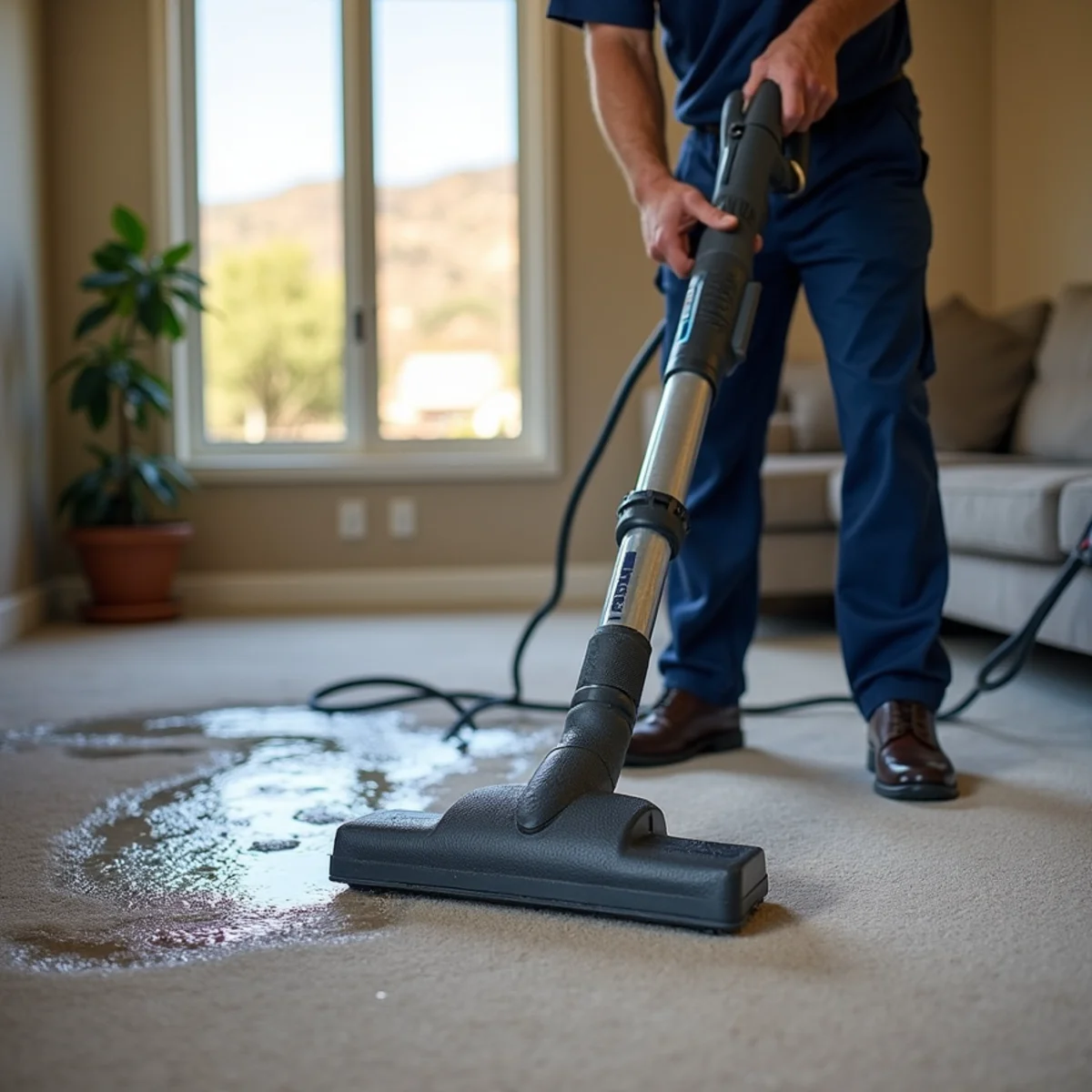
- Carpet and pad are frequently salvageable with fast extraction.
- Drywall is often dried in place rather than cut.
- Standard PPE; no containment required for the water itself.
- The lowest cost per square foot of any category.
Category 2 — Grey Water
Water containing significant contamination with the potential to cause discomfort or illness on contact or ingestion.
- Sources: dishwasher or washing machine discharge, toilet overflow containing urine but no solids, aquarium water, waterbed leaks, and Category 1 water that has degraded over time.
- Carpet pad is removed; carpet may be cleanable and salvageable.
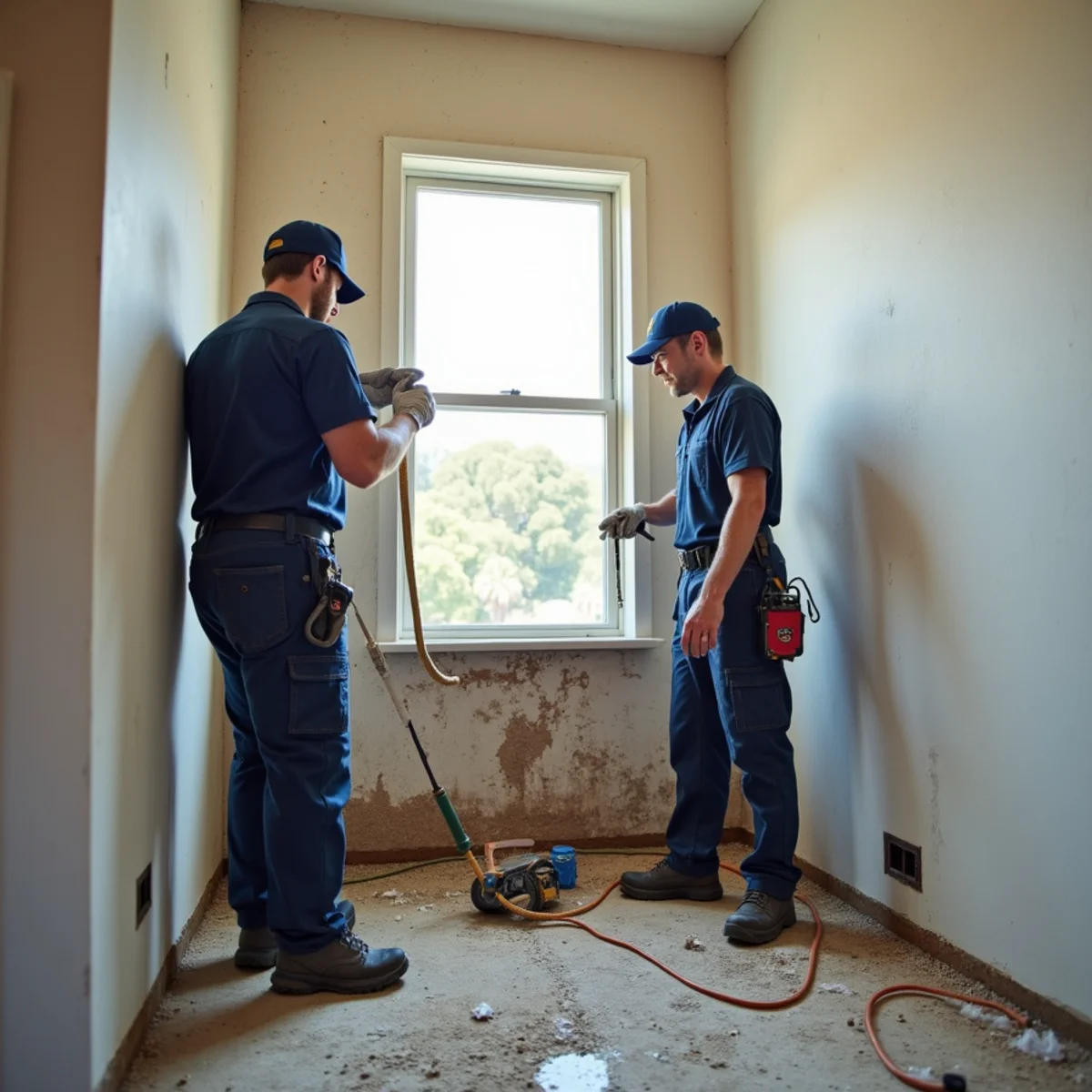
- Drywall is sometimes saved and often cut back as a precaution, depending on duration.
- Enhanced PPE and antimicrobial treatment of affected surfaces.
- Moderately higher cost than Category 1.
Category 3 — Black Water
Grossly contaminated water that can contain pathogenic, toxigenic or otherwise harmful agents. This is a fundamentally different job.
- Sources: any sewage, any water from a sewer lateral, toilet overflow containing solids, rising creek or storm water, and any water that has crossed the ground.
- All porous materials in the affected zone are removed and disposed of regardless of apparent condition.
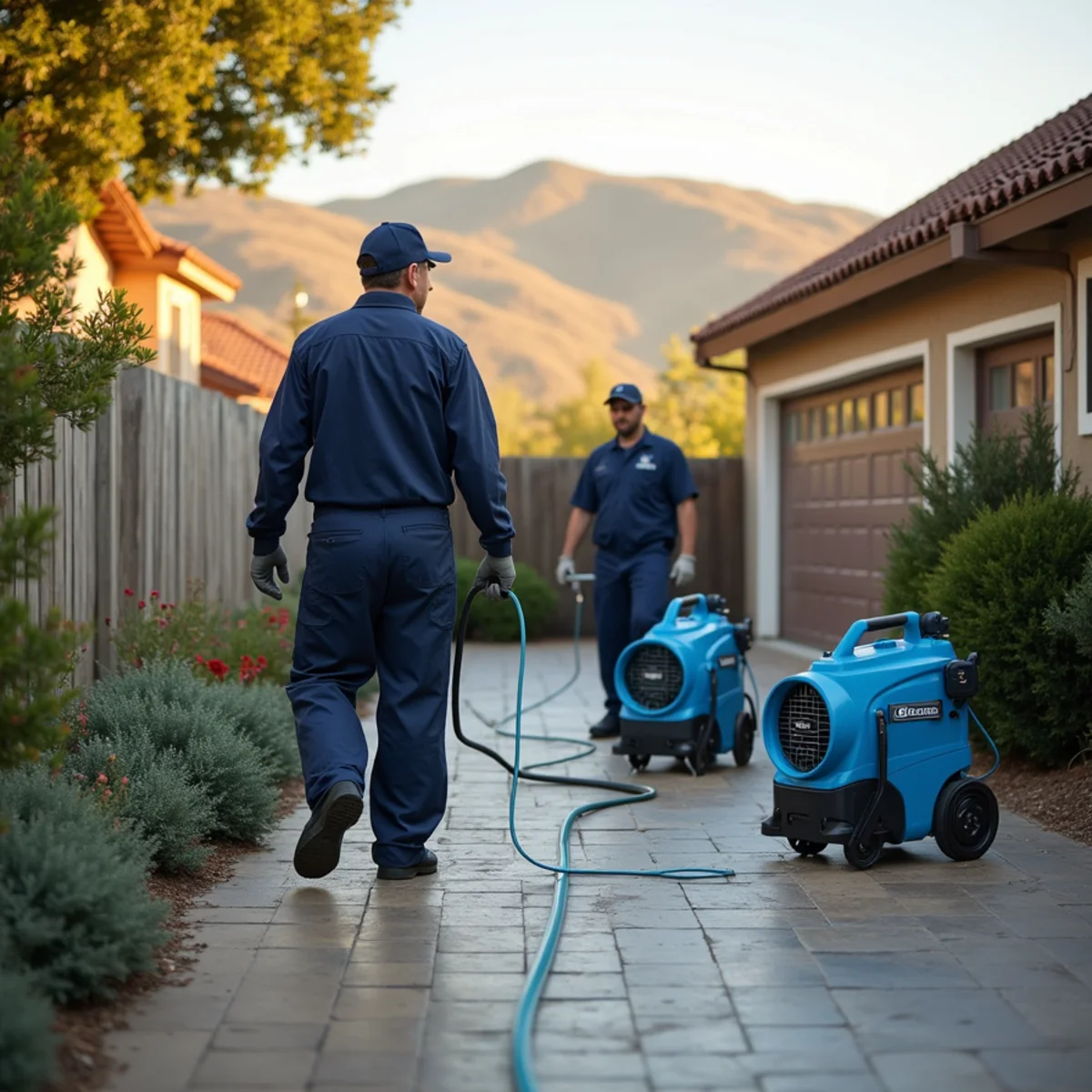
- Full containment, negative air with HEPA filtration, and full PPE including respiratory protection.
- A two-stage clean-then-disinfect process, followed by HEPA air scrubbing.
- The highest cost per square foot of any restoration work.
The Part Most People Miss: Categories Degrade
A category is not fixed at the moment of the loss. Clean Category 1 water sitting in a warm structure picks up contamination from building materials, dust, and whatever was on the floor — and within roughly 48 hours it has degraded to Category 2. Given longer, and particularly in a warm building with organic material available, it can reach Category 3.
This is the mechanical reason why waiting to call is expensive, and it is not a sales argument. The delay does not just add drying time. It can reclassify the entire loss, which takes salvageable materials off the table and changes the required scope of work.
The same clean supply-line break addressed at hour two and at day three produces two genuinely different jobs, with different costs, different demolition and different amounts of your house replaced.
Classes: The Other Half of the Assessment
Alongside category, the S500 standard assigns a class describing how much water the materials absorbed and how difficult drying will be. Category tells you what the water is; class tells you how big the drying problem is.
- Class 1: least amount of absorption, minimal wet material, low evaporation load.
- Class 2: a whole room affected, water wicked up walls less than about two feet.
- Class 3: water came from overhead, saturating ceilings, walls, insulation and flooring — the greatest evaporation load.
- Class 4: specialty drying situations involving materials with very low permeance, such as hardwood, plaster, concrete and stone.
What to Ask Your Restoration Company
- What category and class have you assigned, and on what basis?
- Has the category changed since the loss occurred, and does that affect what can be saved?
- Which materials are you removing, and which are you drying in place?
- What is the dry standard you are working to, and where did you measure it?
- Will I receive the daily readings and the final verification in writing?
How the Category Changes the Bill
The category is not an academic classification. It determines what can be dried and what has to be removed, and that single decision drives most of the difference between a modest invoice and a large one. Here is what actually changes as you move down the scale.
- Category 1 allows drying in place. Carpet, pad, drywall and insulation can frequently all be saved if extraction and drying start quickly enough.
- Category 2 means carpet pad comes out and the carpet itself is assessed. Drywall can often still be dried, but treatment is added to the scope.
- Category 3 means all porous materials the water touched are removed rather than dried. Carpet, pad, insulation and affected drywall come out regardless of how they look.
- Containment and negative air are required from Category 2 upward, which adds equipment and labour that a Category 1 job does not need.
- Protective equipment for crews scales with the category, and on Category 3 that is a genuine cost line rather than a formality.
- Cleaning and antimicrobial treatment become part of the scope rather than an option, and they happen after removal rather than instead of it.
- Disposal costs rise, because contaminated material cannot go out with ordinary construction waste.
- Verification before rebuild becomes more rigorous, and on Category 3 that may include clearance testing.
Frequently asked questions
Because appearance is not the criterion — the source is. Storm and creek water that has crossed the ground picks up soil, organic matter, landscaping chemicals and street runoff, and during heavy rain it can carry sewage from a loaded sanitary system. It is Category 3 by definition regardless of how clear it looks.
Yes, and it is the main reason speed matters. Category 1 water sitting in a warm structure picks up contamination from building materials and degrades toward Category 2 within roughly 48 hours. Given longer it can reach Category 3, which changes what can be saved and how the job must be done.
The restoration technician, on site, based on the source and the elapsed time, following the ANSI/IICRC S500 standard. It should be documented in writing along with the class, because it drives the entire scope and your adjuster will be reading it.
The restoration contractor determines it on site, working to the ANSI/IICRC S500 standard, and you are entitled to ask why and to see it in writing. It is a judgement based on the source of the water, what it crossed, how long it sat and the conditions since — not a fixed rule. If the reasoning does not hold up when explained, that is a legitimate question to raise, with us or with anyone else.
It affects the scope and therefore the cost, and it can affect coverage indirectly. Sewage backup, which is Category 3 by definition, is commonly excluded from a standard homeowners policy without a specific endorsement, while a Category 1 supply-line break is usually covered. The category itself is not a coverage term, but the source that produced it very often is.
The short version
Category is about what the water is; class is about how hard it will be to dry. Together they determine the whole job — and category degrades with time, which is why the first hours matter so much.
We classify on site, document it in writing, and work to the S500 standard your adjuster is reading from.