How Fast Does Mold Grow After a Leak? Inside the 24–48 Hour Window
The 24 to 48 hour figure is real, but it is widely misunderstood. Here is what is actually happening hour by hour, and what it means for your decisions.
Written by the San Ramon Water Damage Pros crew — IICRC-certified technicians working to the ANSI/IICRC S500 standard on water losses across San Ramon and the Tri-Valley. Guidance here reflects how we actually run jobs, not general advice.
You have probably seen the 24 to 48 hour figure quoted, usually by a restoration company, and reasonably wondered whether it is real or a sales tool. It is real, and the misunderstanding cuts both ways: some people panic unnecessarily, and others assume that missing the window means it is too late to matter.
Mold needs four things: spores, which are present in every building all the time; a food source, which is any organic material including drywall paper, wood and dust; a suitable temperature, which is normal room temperature; and moisture. Only the last one is variable, which is why every mold problem is a moisture problem.
Water damage happening right now?
We answer live 24 hours a day and commit to a 60-minute response across San Ramon.
+1 (201) 277-9344What Happens Hour by Hour
- Hours 0–2: water spreads and materials begin absorbing. Drywall wicks upward at roughly an inch an hour. Nothing biological yet — this is the window where the outcome is decided.
- Hours 2–12: absorption continues into pad, subfloor and wall cavities. Humidity in the affected space climbs. Still no growth, but the conditions are being established.
- Hours 12–24: spores already present on wet organic surfaces begin to germinate in the warmest, dampest, least ventilated spots — inside wall cavities, under carpet pad, behind cabinets.
- Hours 24–48: visible growth can begin on paper facing and other organic surfaces. This is the threshold everyone quotes, and it is where the job changes from drying to remediation.
- Days 3–7: colonies establish and spread through material. Odour becomes noticeable. Affected porous materials generally now require removal rather than drying.
- Weeks 1–3: growth extends well beyond the original wet area as moisture migrates. Remediation scope grows accordingly.
Why the Window Varies
The 24 to 48 hour figure describes typical conditions and moves in both directions with circumstances.
It shortens with warmth, high humidity, poor ventilation, an abundant organic food source, and contaminated water that arrived carrying its own microbial load. A Category 3 loss in a closed wall cavity during a warm week is at the fast end.
It lengthens in cool conditions, with good airflow, on non-organic materials, and where the water was genuinely clean. A clean-water loss on a tile floor in a well-ventilated room during a cool spell may take considerably longer.
Neither variation changes the practical advice: assume the fast version, because you do not get to know in advance which one you have.
The Misunderstanding That Costs People Money
Two errors, in opposite directions.
The first is panic. Discovering water at hour 30 does not mean your house is now a mold problem. It means you are at the threshold and should act immediately. Growth that has just begun and is dried out and cleaned promptly is a very different situation from growth that has been established for months.
The second, and more expensive, is dismissal. "It has already been a week, so a couple more days will not matter" is exactly wrong. Growth spreads through material continuously, and the remediation scope — which is what you pay for — grows with it. Every day of delay makes the containment bigger and the disposal list longer.
The honest framing: within 48 hours, thorough drying usually prevents growth entirely. Past that, you are managing how much has to be removed, and that number keeps climbing.
What Actually Prevents It
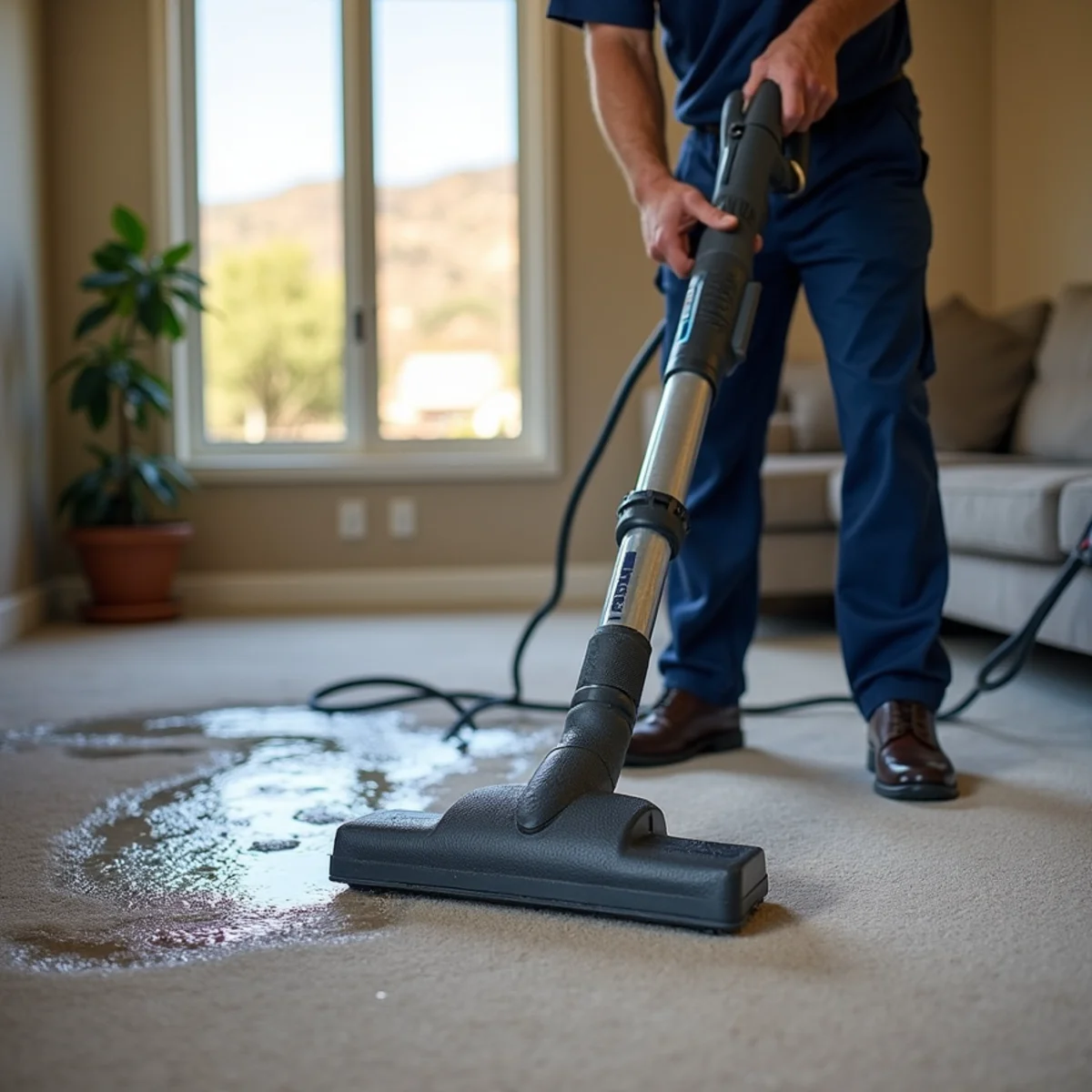
- Extract mechanically and aggressively. Every gallon removed is a gallon that cannot support growth.
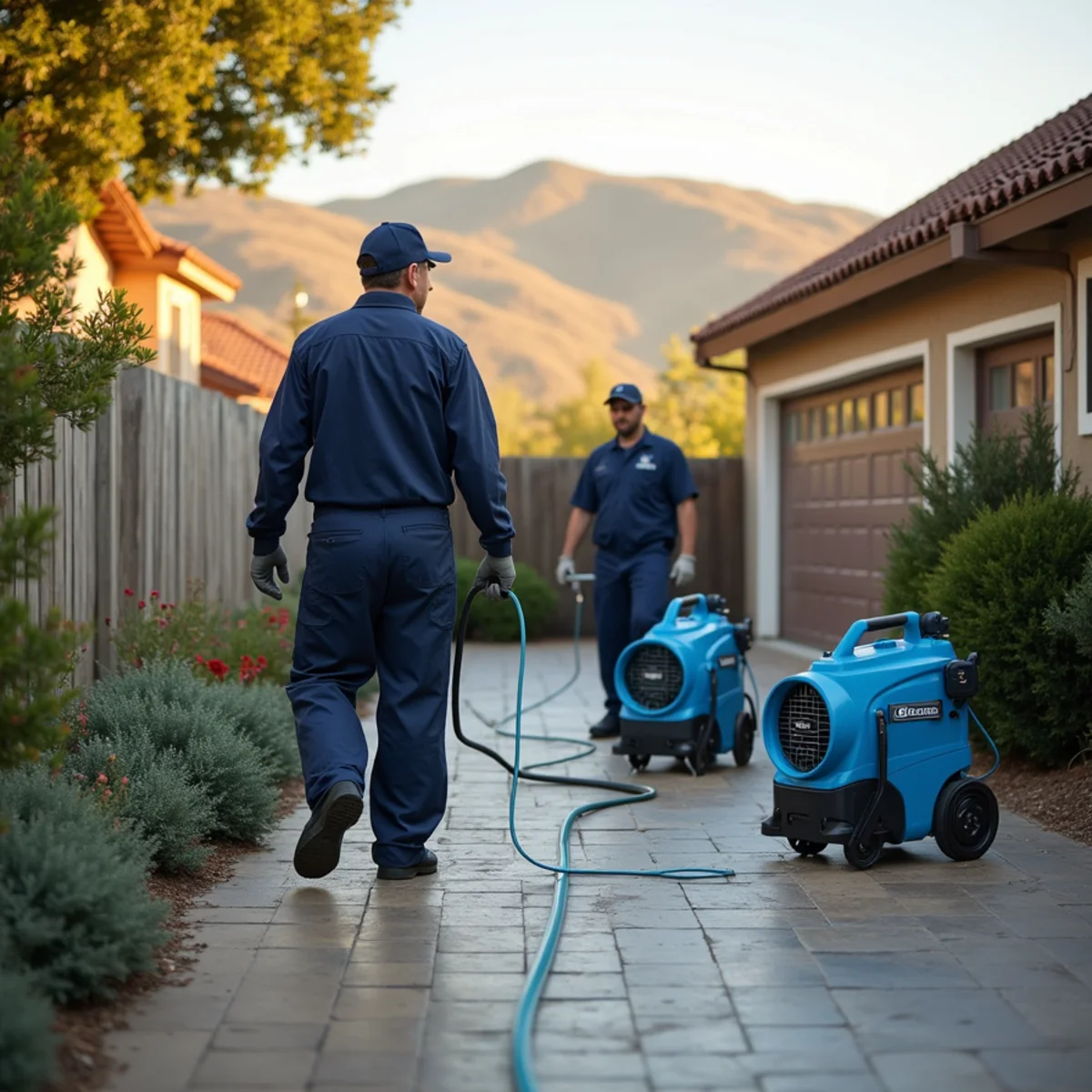
- Dehumidify as well as move air. Fans alone relocate moisture into the air where it condenses somewhere colder and darker.
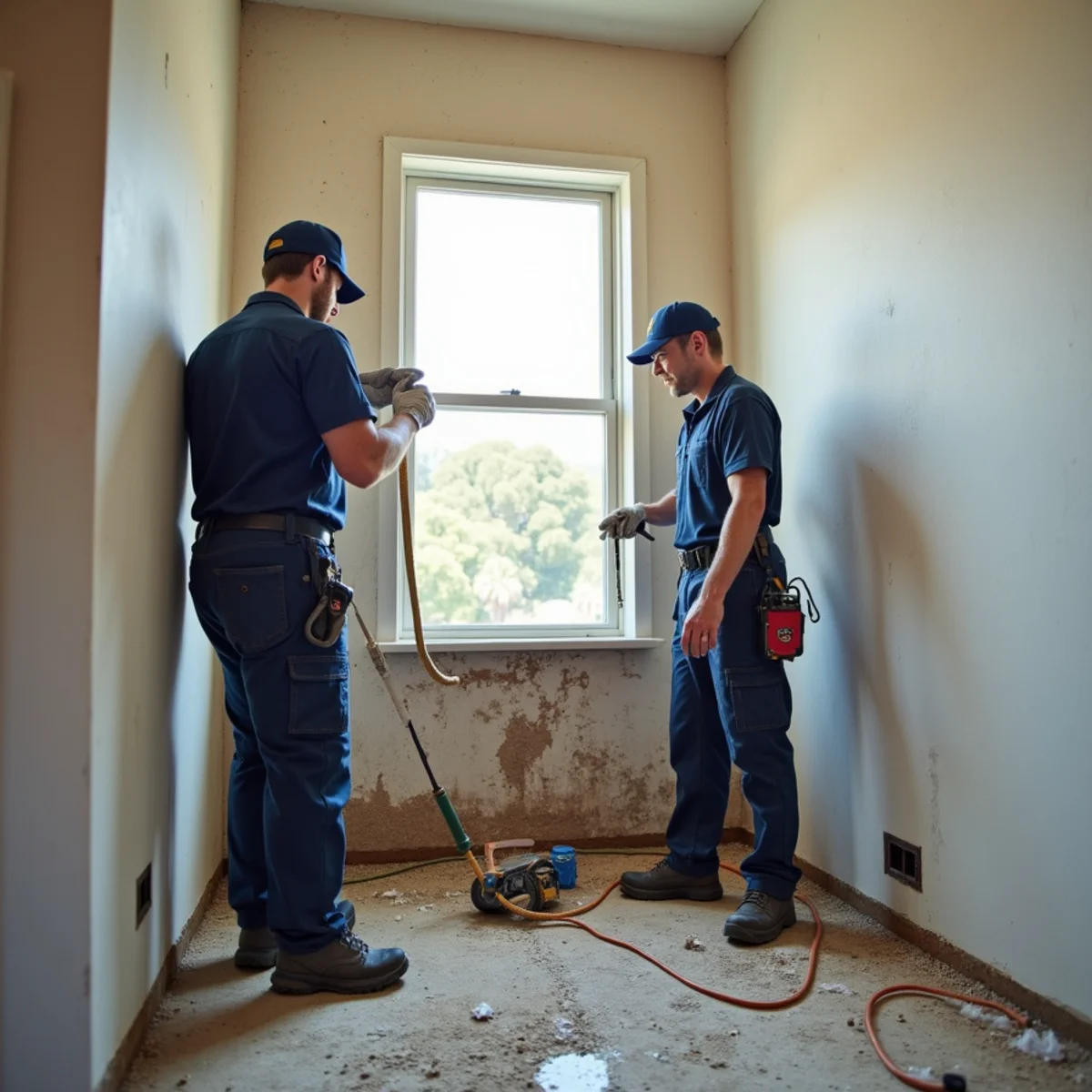
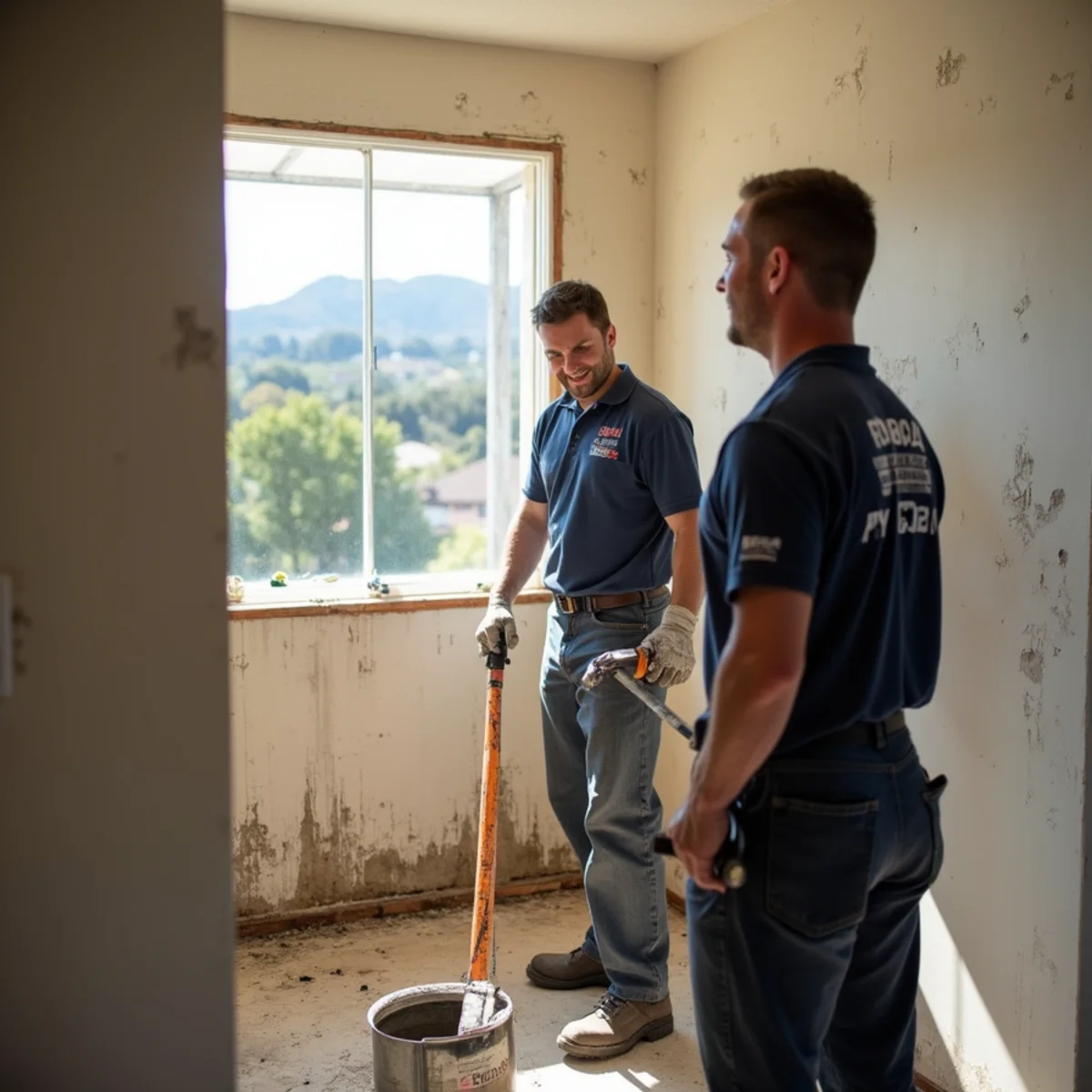
- Open closed cavities so airflow reaches the wet material. Wall cavities and floor assemblies do not dry from the outside.
- Remove wet insulation. It does not dry in place and it holds moisture against framing for months.
- Verify against a dry standard rather than assuming. Surfaces feel dry long before assemblies are dry.
- Do not close anything up — flooring, drywall, cabinets — until the material behind it has been measured and confirmed.
If You Are Past the Window
Do not disturb visible growth. Scrubbing or wiping releases far more spores into the air than leaving it alone, and there is no reason to do that before containment is in place.
Do not spray bleach on porous materials. Bleach is largely water; on drywall or wood it wets the substrate while the active growth sits below the surface where the chlorine does not reach. You get a bleached surface and a colony that returns.
Do get the moisture source found and fixed, because remediation without that is temporary by definition. And do get an assessment of how far it has spread — visible growth is usually the smallest part of what is there.
The Conditions That Move the Window
The 24 to 48 hour figure describes typical indoor conditions, and real buildings vary considerably around it. Understanding which way your situation leans is more useful than treating the number as a deadline.
- Temperature. Growth accelerates in warm conditions, so a heated house in winter or an unventilated house in summer is at the fast end of the range.
- Airflow. A sealed room with the door closed holds humidity against the material; a room with active air movement and dehumidification does not.
- Material. Paper-faced drywall, particleboard and carpet pad support growth quickly. Sealed concrete, tile and metal effectively do not.
- Water category. Category 3 water arrives carrying organic material and a microbial load, which shortens the window considerably compared with a clean supply leak.
- How much of the material is wet. A surface wetting dries; a saturated cavity with insulation in it stays wet for days regardless of what happens in the room.
- Prior history. A space that has been wet before frequently carries existing spore load, and it establishes faster the second time.
- Whether anyone opened the building up. A house closed and left while the owners stayed elsewhere is the classic accelerator, and it is the most common version we attend.
Frequently asked questions
It is real and it comes from the conditions mold needs. Spores, organic material and room temperature are always present; only moisture is variable. In warm, damp, unventilated conditions — which describes the inside of a wet wall cavity precisely — germination can begin inside that window.
No, but the scope has grown. Past 48 hours you are managing how much material has to be removed rather than preventing growth entirely, and that amount keeps increasing every day. Acting now is still meaningfully better than acting next week.
Not reliably. Fans move moisture out of materials and into the air; without dehumidification that air becomes saturated and the moisture condenses on cooler surfaces — inside wall cavities, under flooring, in closets. You relocate the problem to somewhere you cannot see.
Probably, if the drying was real rather than a few fans in a room. Genuine drying means the material reached a measured moisture target, not that the surface felt dry. Where people get caught is a floor that felt dry within a day while the pad, the subfloor or the wall cavity underneath stayed wet for a fortnight. Speed matters, but only in combination with actually reaching dry.
It helps significantly and it is not sufficient by itself. Dehumidification lowers the humidity of the room air, which pulls moisture out of materials, but only where air can reach them. Water sitting inside a wall cavity, under a floating floor or beneath carpet pad is largely isolated from room air, which is why professional drying pairs dehumidification with directed airflow into those specific spaces.
The short version
Inside 48 hours, proper drying usually prevents growth altogether. Past it, you are managing scope — and scope grows daily.
We dry to a verified standard and document it, which is the only defensible way to say a structure was dried before anything got closed back up.