
Slab Leak Repair vs. Whole-House Repipe: What Each Costs and What Insurance Covers
Three legitimate options, very different costs, and one heuristic that tells you which situation you are actually in.
Written by the San Ramon Water Damage Pros crew — IICRC-certified technicians working to the ANSI/IICRC S500 standard on water losses across San Ramon and the Tri-Valley. Guidance here reflects how we actually run jobs, not general advice.
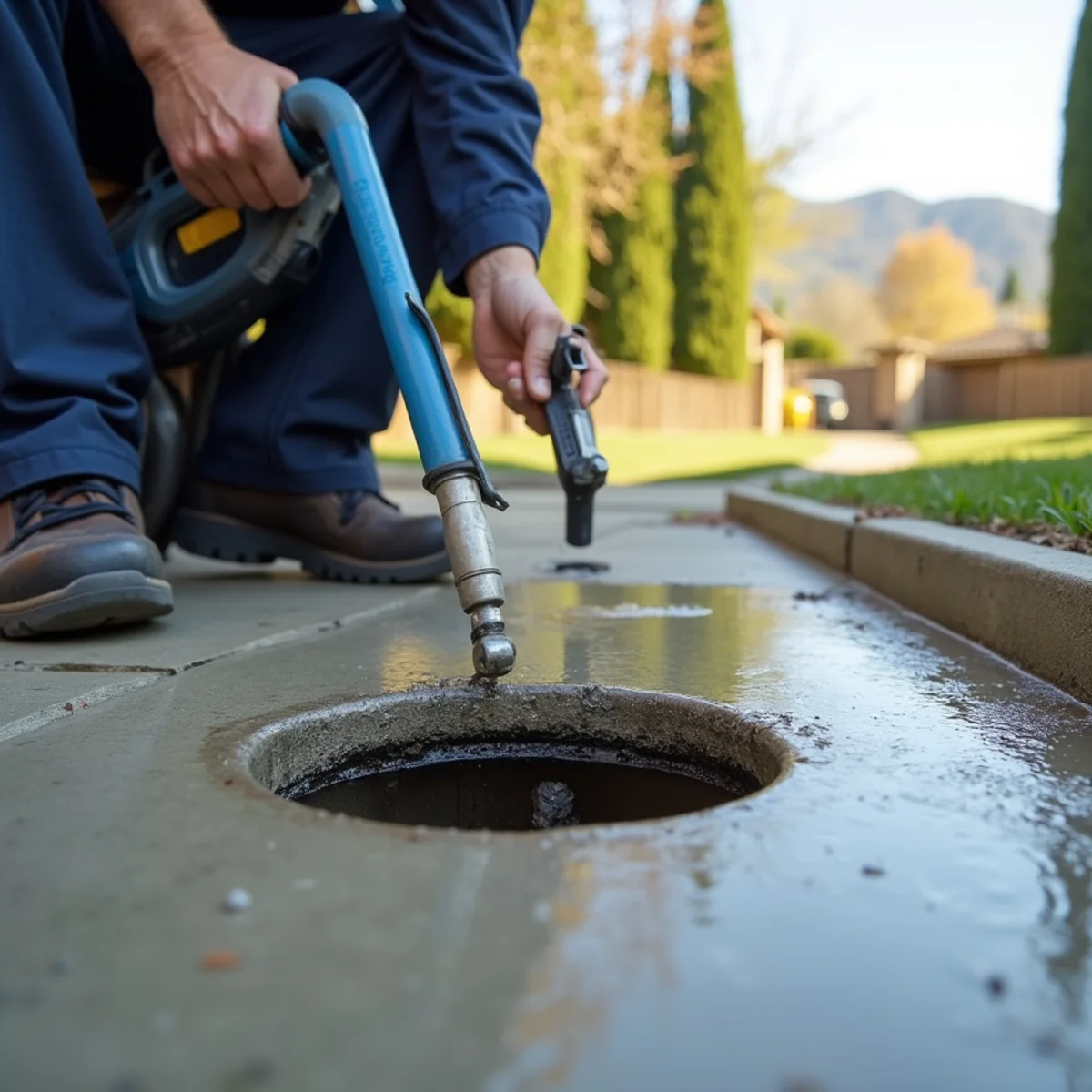
You have a confirmed slab leak. A plumber has given you options and the numbers are far apart, which makes the decision feel like a gamble. It is not — there is a reasonably clear way to think about it.
The heuristic: one failure in an otherwise healthy system is a spot repair. A second failure within a couple of years, in a home from the 1970s or 80s on Tri-Valley water, is the system telling you the pipe has reached the end of its service life — and from that point, buying repeated spot repairs generally costs more in total than the repipe would have.
Water damage happening right now?
We answer live 24 hours a day and commit to a 60-minute response across San Ramon.
+1 (201) 277-9344The Three Options
Spot repair — open the slab at the leak
The concrete is cut at the located leak, the failed section of pipe is repaired or replaced, and the slab and flooring are patched. Lowest immediate cost by a wide margin.
- Appropriate for: a first failure in pipe that is otherwise in reasonable condition.
- Downside: it fixes this leak and does nothing for the rest of the run, which is the same age in the same conditions.
- Adds flooring costs, which can be significant under tile, stone or glued hardwood — especially if the material is discontinued.
Reroute — abandon the under-slab run
The failed line is capped and a new line is routed overhead through walls and attic to serve the same fixtures. The slab is never opened.
- Appropriate for: a failure in a location that is expensive to access, or a second failure where a full repipe is not yet warranted.
- Costs more than a spot repair, less than a full repipe.
- Permanently removes that run from the under-slab environment, so it cannot fail there again.
- Requires drywall repair where the new line passes, but no concrete work and no flooring replacement.
Repipe — replace the supply system
All supply piping is replaced, normally routed overhead through the attic and down interior walls to fixtures. Highest immediate cost and the definitive end of the problem.
- Appropriate for: recurring failures, a home from the 1970s or 80s that has never been repiped, or any house producing its third leak in a few years.
- Typically completed in several days with water off for part of it.
- Involves drywall openings throughout, then patching, texture matching and paint — that finish work is a real share of the total.
- Also solves pinhole leaks in the accessible runs, not just the under-slab ones.
What Insurance Actually Pays For
This is where the decision gets genuinely interesting, because the coverage split changes the relative economics in a way that is not obvious.
Typically a California homeowners policy covers the water damage the leak caused — the wet flooring, the drywall, the drying, any remediation. Many policies also cover the cost of *accessing* the leak, meaning cutting and patching the slab. What is almost universally excluded is the failed pipe itself and the plumbing repair.
The practical consequence: the expensive, disruptive part of a spot repair (opening and closing the concrete, replacing the flooring) is frequently covered, while the plumbing work is not. That makes a spot repair look cheaper out of pocket than it really is in total cost — and it means a reroute, which avoids the covered demolition entirely, sometimes competes better than the raw quotes suggest.
A repipe is generally not covered at all, because it is a system upgrade rather than repair of accidental damage. The water damage from the leak that prompted it still is.
Running the Arithmetic Honestly
The mistake homeowners make is comparing one spot repair against one repipe. The correct comparison is the expected total over the next several years.
A spot repair is not just the plumbing invoice. It is also the concrete work, the flooring replacement in that area, the drying, potentially remediation if the leak ran a while, and the disruption. And on a system that is producing failures, you should expect to pay some version of that again.
Ask yourself three questions. How old is the plumbing, and has any of it been replaced? How many failures has this house had, and how close together? And how long do you plan to own it? A 1975 slab-on-grade home in Old Ranch or West San Ramon on its second leak, with ten more years of ownership planned, is a clear repipe case. A 1998 home on its first, with a move planned in two years, is a clear spot repair.
Why This Comes Up So Often in San Ramon
Three local conditions converge on the same component. The 1970s and early-80s housing across Central San Ramon, Broadmoor, Old Ranch, West San Ramon and Ponderosa is slab-on-grade, with copper supply lines running under the concrete. EBMUD water at 16 to 18 grains per gallon pits that copper from the inside. And the valley’s expansive clay swells and shrinks each year, cycling mechanical stress into lines held rigidly in concrete.
Three independent degradation mechanisms working on the same pipe for forty-plus years is why slab leaks are this city’s signature failure — and why "one leak means more leaks" holds up better here than it would elsewhere.
Questions to Ask Before You Decide
This is a decision people usually make in a hurry, with water already having done damage and a contractor waiting for an answer. These are the questions that actually change the recommendation, and any competent plumber or restoration contractor should be able to answer all of them for your specific house.
- Is this the first leak, or the second? — One failure is a component. A second somewhere else in the house within a year or two is the system, and the arithmetic changes completely. Continuing to spot-repair means paying repeatedly for access as well as for pipe.
- What is the pipe actually made of, and how old? — Original copper at forty-plus years carrying very hard water sits at the front of the failure curve. Grey polybutylene is a repipe candidate regardless of how it looks. The material and its age matter more than the size of this particular leak.
- Is the slab post-tensioned? — Look for the warning plate in the garage. Post-tension tendons must be located before any concrete is cut, which adds cost and risk to under-slab work and shifts the balance toward rerouting overhead.
- What does this repair cost the floor? — Cutting the slab means losing the floor covering over the work area, and on a discontinued tile or plank that can cost more than the plumbing. An overhead reroute damages drywall instead, which is far easier to make good.
- Where will the new pipe run, and can it be reached later? — The main practical argument for overhead repiping is that the pipe stays accessible. Anything buried in concrete is a future excavation; anything in an attic or a wall is a future afternoon.
- What is written into the quote for drying? — A plumbing quote covers the pipe. It does not cover the wet subfloor, the wall base or the slab, and a repair that leaves those wet produces a mould call later. Make sure someone has that scope in writing.
Frequently asked questions
Generally no — the failed pipe is excluded as a maintenance item. What is usually covered is the water damage it caused, and in many California policies the cost of accessing the leak, meaning cutting and patching the slab. That split is worth understanding before you choose between options.
For most homes, better. Overhead lines are accessible for future repair, they are out of the soil and out of the concrete, and they are not exposed to the seasonal clay movement that stresses under-slab runs. The trade-off is drywall work during installation and some attention to insulation where lines run through unconditioned space.
Age plus history. If the home is 1970s or 80s slab-on-grade, has original copper, and has already produced one failure, the remaining runs are in identical condition. A second leak within a couple of years is essentially confirmation rather than bad luck.
Physically yes, and sometimes it is the right call on budget. The caution is that joining new pipe to remaining old pipe puts a junction between materials at a new location, and where copper meets galvanized without a dielectric union that junction becomes the next failure point. If it has to be staged, stage it by run rather than leaving mixed-material joints buried.
It is a documented improvement rather than a defect, and inspectors treat a modern overhead system as an upgrade over failing under-slab pipe. Keep the permit and the plumber's documentation — being able to show that the supply system was replaced, when, and by whom is worth having at sale, and it answers the question a buyer's inspector will ask about a house of that era.
The short version
First failure in sound pipe: spot repair. Awkward location or second failure: consider a reroute. Third failure, or 1970s pipe that has never been touched: repipe and stop paying for this repeatedly.
We locate slab leaks precisely, coordinate whichever repair you choose, and handle all the drying, remediation and restoration afterward.